30,000 patients use federal program for care at home
Hospitals in more than 350 locations are bringing IVs and monitoring gear to patients' living rooms under a waiver set to run through 2030.
By Christian Morales ·
In Peoria, Illinois, Colleen Callahan found herself lying in a hospital bed with bacterial pneumonia in both lungs. The 75-year-old had spent three days in the facility before care staff asked if she would consider a new option. They called it digital hospital.
The program, operated by OSF Healthcare, is part of a federal hospital-at-home initiative. More than 30,000 patients have received treatment in their own beds through this system. The model brings hospital-level care to private residences, a shift that began as a temporary fix during the pandemic.
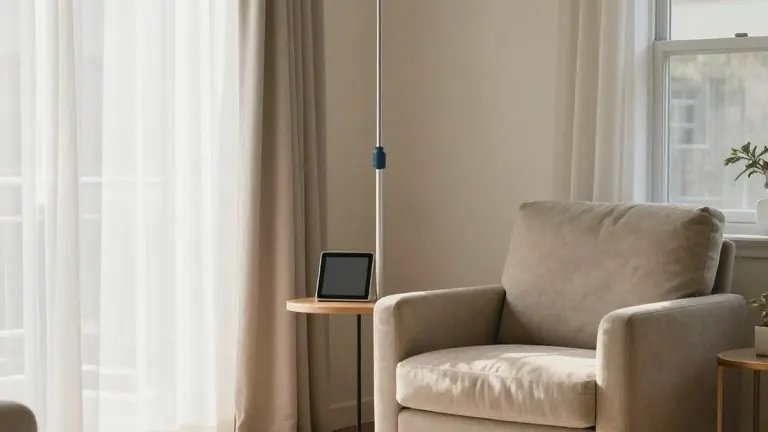
Callahan initially hesitated. She was concerned she was not well enough to leave the medical center. After learning more, she agreed to go home. Upon her arrival, technicians had already set up necessary equipment. This included a tablet for video visits and remote monitoring devices. OSF provides training for patients and caregivers, and supplies internet access if needed.
The daily routine involves at least two nurse visits and virtual check-ins from doctors. Melissa Meier, the manager of digital care at OSF OnCall, said the team treats conditions ranging from infections to chronic illnesses like congestive heart failure and COPD. To participate, patients must live within 30 minutes of the hospital and be stable enough for home monitoring. Meier noted that freeing up inpatient beds allows hospitals to reserve them for the sickest patients.
The program is now active at more than 350 hospitals across the country. Akin Demehin of the American Hospital Association described it as one of the most promising care innovations in recent years. Patients are generally billed at the same rate as an in-hospital stay. Callahan said her insurance covered everything, just as it would have for a standard hospitalization.
A 2024 study by the Centers for Medicare and Medicaid Services found that readmission rates for certain conditions are lower for patients treated at home. Tom Kiesau of the healthcare consulting firm Chartis Group said these lower rates save the government money. He added that reduced spending on hospital bills could eventually lead to savings for taxpayers.
The regulatory status of the program is now more stable. After several temporary extensions, a bipartisan waiver was approved to run through September 2030. Krista Drobac of Moving Health Home said this regulatory certainty encourages more hospitals to join the program. She hopes it becomes a permanent part of the healthcare system.
Some caregivers have raised concerns about the strain on family members. A 2022 study in JAMA Health Forum noted the program does not fully consider the role of family caregivers. Drobac countered that research shows caregivers often feel less stress because they have a direct line to medical staff. Callahan said her husband and daughter felt supported by the arrangement. She spent five days in the program and said the care felt personal, like an old-fashioned house call.
Source: KAUU · original report published
More News · Anchorage news · Report a business · Got a Story?