Alaska DOT spends $28.5 million on ferry terminal phase before new governor
Critics argue the state is moving equipment to the Cascade Point site to start work before the administration changes hands.
By Nina Patel ·
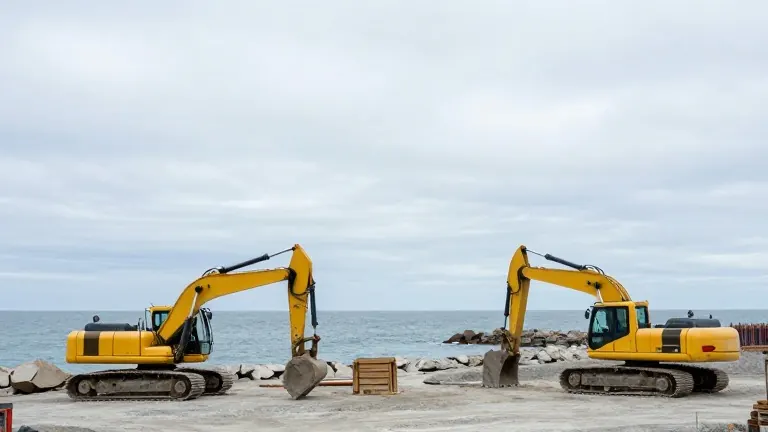
Construction on the first phase of the Cascade Point Ferry Terminal project could begin as early as late 2026. The Alaska Department of Transportation and Public Facilities has authorized a contractor to move equipment to the site in Haines, a move that has drawn sharp criticism from local officials and conservation groups. They believe the state is rushing to complete initial work before a new governor takes office in early 2027.
The project aims to build a new ferry terminal north of the current Auke Bay facility. State officials argue this location will shorten ferry routes and reduce fuel costs. However, residents in Juneau, Haines, and Skagway worry the change will force them to travel an extra 30 miles to board ferries. The current dispute centers on whether the state can legally start the first phase of construction without having secured all necessary permits for the entire project.
The timeline for this project has shifted several times in the last year. In March, the Department of Transportation announced a delay in work. This pause occurred after the U.S. Army Corps of Engineers requested design information for both phases of the project, rather than just the initial stage. The agency needed this data to determine which parts of the site required federal permitting before construction could proceed.
In mid-October, the Army Corps of Engineers issued a jurisdictional determination. This document clarified that the first phase of the project, known as Stage 1, involves upland work that does not impact federally regulated waters. Because of this, the Corps does not need to issue a permit for that specific section of the work. Randal Vigil, of the Corps’ Alaska District, noted that it is possible for the state to conduct work at the site without needing a federal permit if they avoid the jurisdictional waters.
Following that determination, the state gave the green light to K&E Alaska Inc., a Sitka-based contractor. A spokesperson for the Department of Transportation, Justin Shelby, confirmed that the agency told the contractor it could mobilize equipment and store materials at the project site. This authorization allows the contractor to set up on the land but does not yet authorize actual construction to begin.
The Southeast Alaska Conservation Council raised concerns after staff members observed excavators at the site last Friday. The group sent a cease and desist letter to the state agency. By Monday afternoon, more equipment had arrived at the location. Stacy Unzicker, a staffer with the council, said the group believes the state is dividing the project to start work before the next administration can review the plan.
State Rep. Louise Stutes, a Republican from Kodiak who serves on the House Transportation Committee, echoed those concerns. She described the current actions as an attempt to beat the change of administration. Stutes expressed worry that the state will spend millions on a phase of a project that may never be completed. She noted that the current work costs $28.5 million, which she described as a small portion of the total project cost.
Shelby responded to these claims by stating the Department of Transportation is following all applicable laws. He denied that the state is using improper segmentation to bypass regulations. The agency said it still needs to complete an environmental review checklist, a Stormwater Pollution Prevention Plan, and consultations under the Alaska Historic Preservation Act before breaking ground.
Shelby indicated that construction could start this year or be pushed into next year. State Sen. Jesse Kiehl, a Democrat representing the affected communities, questioned the logic of starting construction without knowing if the full project will be approved. He asked why the state would begin building if it does not yet know if the final structure is permitted.
The state will proceed with the environmental reviews and planning documents in the coming weeks. Once those steps are complete, the contractor will begin the upland work for Stage 1. The total cost for this initial phase is $28.5 million, funded by state dollars.
Source: Alaska Public Media · original report published
More News · Anchorage news · Report a business · Got a Story?