Breaking: Election Day is here! Make your selections for Alaska's future and national balance of power
Alaska voters are heading to the polls to decide the state's Senate and Governor races, while the nation prepares for a pivotal midterm that will determine control of Congress for the final two years of President Trump's term.
By Christian Morales ·
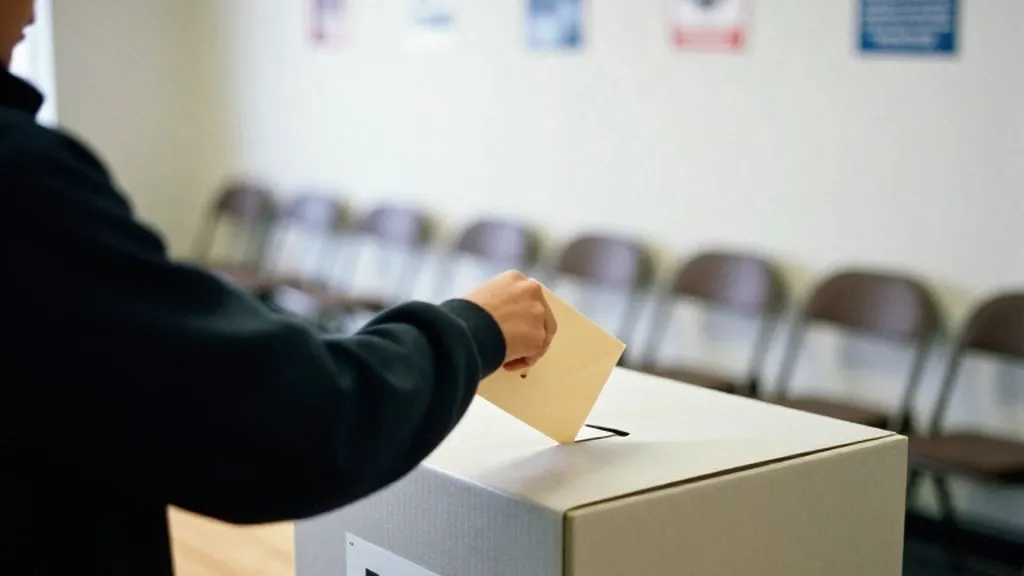
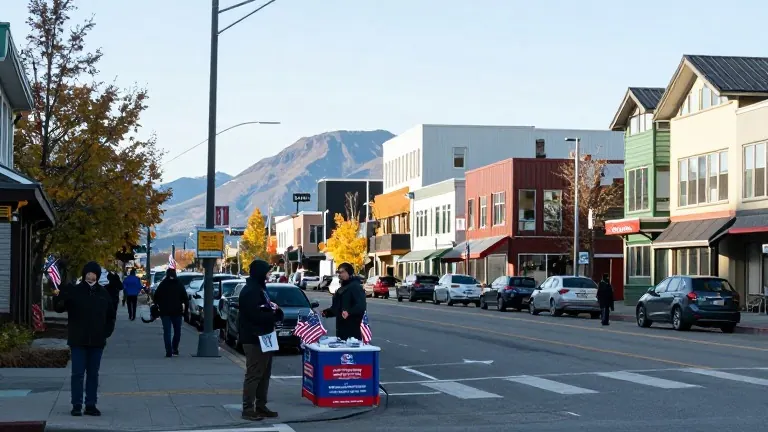
It is Election Day across the United States, and in Anchorage, voters are preparing to cast their ballots in a decisive midterm election. According to Ballotpedia, polls in Alaska are open from 7 a.m. to 8 p.m. local time, with the state divided between the Alaska and Hawaii-Aleutian time zones. Residents of Anchorage and surrounding areas can find their specific polling location by visiting vote.gov. Those who are in line when the polls close are entitled to cast their vote, so early arrival is encouraged to avoid long waits during this busy Tuesday morning.
The stakes in Alaska are high as voters decide who will represent the state in the U.S. Senate and who will serve as governor. Incumbent Republican Senator Dan S. Sullivan is running for re-election in a race that Ballotpedia has rated as a toss-up to lean Democratic. The 2024 presidential margin in the state was Trump plus 13.1, yet the current political landscape has shifted to make this contest competitive. Voters in Anchorage will also choose a new governor, as this is an open seat with no incumbent on the ballot. The parties on the ballot for the governor's race include the Democratic, Nonpartisan, and Republican parties.
In addition to federal offices, every U.S. House seat in the state is on the ballot, along with various state and local offices and measures that vary by county. This comprehensive ballot allows Alaskans to weigh in on a wide range of issues that affect their daily lives in the municipality. The election is part of a broader national midterm that occurs halfway through President Donald Trump's second term. The results will determine which party controls the House of Representatives and the Senate for the final two years of his presidency.
Nationwide, all 435 seats in the U.S. House are up for grabs. Republicans currently hold 218 seats, while Democrats hold 214, with one independent and some vacancies. Democrats need a net gain of three districts to secure a majority, whereas Republicans can afford to lose no more than two seats. According to Ballotpedia, 46 districts are considered battlegrounds, with 25 currently held by Democrats and 21 by Republicans. This tight margin means that voter turnout in key districts will be critical in determining the final outcome.
In the U.S. Senate, 35 seats are on the ballot, including 33 regular elections and two special elections. Republicans hold 53 seats, Democrats hold 45, and two independents caucus with Democrats. Democrats need a net gain of four seats to take control of the chamber, while Republicans can lose only two. Eleven senators are not running again, including four Democrats and seven Republicans. The winners of these races will begin their six-year terms on January 3, 2027, setting the stage for the next legislative cycle.
The governor's race is also a major focus of this election, with 36 governorships on the ballot across the country. Heading into the election, Republicans hold 26 governor's offices and Democrats hold 24. Of the offices on the ballot, each party holds 18. Nineteen of these races have no incumbent on the ballot, with 15 governors being term-limited and others choosing not to run. Democrats would need a net gain of two governorships to achieve a nationwide majority, a position Republicans have held since 2010.
The Associated Press describes this election as a referendum on President Trump's second term, noting that voters are struggling with high prices and are angry over an unpopular war with Iran. AP-NORC polling indicates that 35 percent of U.S. adults approve of Trump's job performance, while only 25 percent approve of his handling of the economy. About 7 in 10 Americans say the country is heading in the wrong direction, with most blaming the president for rising costs. These sentiments are likely to influence voter behavior in both competitive and safe districts.
More than 57 million people had already voted as of Monday, surpassing the early vote totals from four years ago in many closely watched states. This high level of early participation suggests a strong interest in the outcome of the election. Republicans were bracing for the possibility of losing the House while fighting to hold the Senate, with the AP noting that one or two seats could tip either chamber. Democrats, meanwhile, have been described as cautiously optimistic about their chances of gaining power.
President Trump has been actively campaigning, holding dozens of rallies to energize his base. He ended his recent schedule in Salina, Kansas, where he told supporters, "I really want you to pretend I'm on the ballot." His schedule included stops in Mississippi, South Carolina, and Texas. Despite his efforts, many Republican candidates have kept their distance from the president, perhaps reflecting the complex dynamics of this midterm cycle. Trump has also continued to make claims about voting fraud, which has raised concerns among Democrats about potential interference and intimidation.
The financial aspect of the election is also noteworthy, as the 2026 elections are likely to be the most expensive in history. Republican committees have outraised and outspent Democratic committees, aided by Trump-affiliated groups and Elon Musk. However, at the candidate level, Democrats have outraised their opponents. According to AP analysis of AdImpact data, 88.1 percent of Republican general election TV ad spending went to states and districts that Trump won in 2024, including more than $850 million in areas where he won by 10 points or more.
Key quotes from party leaders highlight the intensity of the race. RNC Chairman Joe Gruters stated, "Everything depends on turnout. If we turn out our voters, we win, and that's what we've been planning for." DCCC Chair Rep. Suzan DelBene countered, "The American people are angry. They want change." These statements reflect the divergent strategies of the two parties as they seek to mobilize their respective bases in this crucial election.
The election also has significant implications for the future of American politics. If Democrats win even one chamber, investigations and possible impeachment proceedings are likely to follow. House Democratic Leader Hakeem Jeffries would become the first Black speaker if his party takes the House, and he has outlined a 100-day agenda focused on the cost of living and oversight. A strong Democratic night could also boost potential 2028 candidates such as Gavin Newsom, JB Pritzker, and Pete Buttigieg, while complicating the path for Vice President JD Vance.
In terms of election administration, a federal judge on Monday temporarily barred the Trump administration from carrying out a plan it says would prevent noncitizen voting. Critics argue that this plan risks disenfranchising eligible voters and infringes on states' authority over elections. Another judge ordered the administration to stop demanding that California election officials segregate ballots cast by people on lists of suspected noncitizens. The U.S. Postal Service has added hours, staff, and special lines to ensure that mail ballots are counted on time.
Wall Street is also watching the results of this election, with Reuters noting that the outcomes could add to investor concerns about AI spending and debt ceiling negotiations. The political stability of the country will be a key factor for investors in the coming months. As polls close in Anchorage and across the nation, voters will be eager to see how their choices shape the future of their communities and the country.