Late Discovery Adds 24th Calf to Rare Whale Count
Researchers in Quebec found a baby right whale in September that had been missed during earlier U.S. surveys, marking a record-high birth season.
By Christian Morales ·
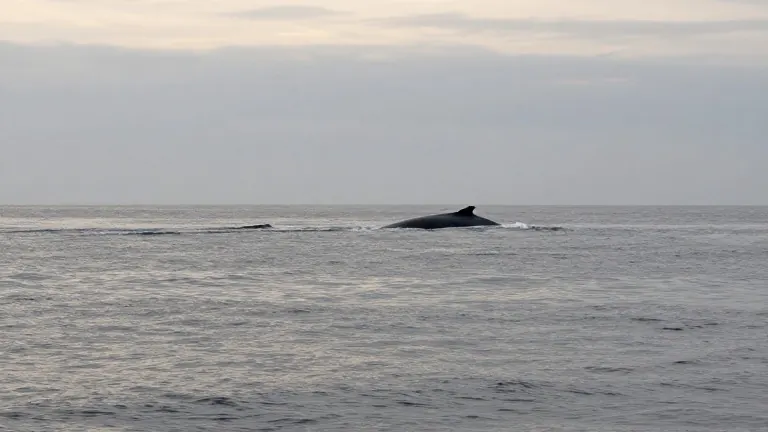
A 15,000-pound baby right whale eluded detection for months before researchers in Canada captured images of it in September. The calf was found off Anticosti Island in Quebec, adding to a total of 24 babies born during the most recent calving season. This figure represents the highest annual count since 2009 and the fourth-highest recorded in history, according to the New England Aquarium.
The North Atlantic right whale is one of the rarest marine mammals, with a global population of approximately 380 individuals. The species has experienced a decline since 2010, losing roughly 25 percent of its numbers between 2010 and 2020. Only about 70 females remain of reproductive age, making successful breeding seasons vital for the population's viability. In 2018, no babies were born at all.
The unidentified calf was observed with its mother, a 38-year-old whale known to scientists as Silt. Right whales typically give birth in the southeastern United States during the winter before moving north to New England and Canada to feed. Amy Warren, a scientist at the New England Aquarium’s Anderson Cabot Center, noted that Silt was seen in the southeastern calving grounds in February 2026. Warren suggested the mother may have given birth there but moved away before the pair was documented together.
The calf remained unseen during boat-based and aerial surveys along the U.S. East Coast throughout the spring and summer. The discovery was made by researchers from the Mingan Island Cetacean Study, a nonprofit organization based in the coastal Côte-Nord region of Quebec. Richard Sears, the founder and director of that group, described the find as a reminder of the vastness of the ocean and the difficulty of tracking these animals.
The population has shown some recovery since 2020, but threats persist. Large ship collisions and entanglement in commercial fishing gear remain primary risks. Ocean warming has complicated conservation efforts by causing the whales to stray from protected areas. Conservationists have expressed concern over recent U.S. government moves to delay new protections for the species by a decade to accommodate commercial fishing interests.
The 24 confirmed births mark a productive year for a species that has reached this threshold only a few times since 2010. The late-season discovery adds a final data point to the annual count, confirming the scale of the breeding success despite the initial oversight by survey teams along the American coast.
More News · Anchorage news · Report a business · Got a Story?