Skin cancer often hides in spots Anchorage residents forget to check
Doctors warn that moles are not the only warning sign and that a millimeter of change can indicate a serious problem.
By Nina Patel ·

Skin cancer frequently appears in areas of the body that people do not check regularly, and it often looks less alarming than a changing mole, according to local medical experts. Dr. Rhea Rogers, a board-certified physician, said that sores that do not heal and moles that bleed easily are common warning signs that many patients overlook. These symptoms can appear on the scalp, behind the ears, between the toes, and underneath the nails.
Rogers explained that doctors evaluate moles based on six specific factors. They look for asymmetry, irregular borders, changes in color, variations in diameter, and evolution in appearance over time. Gerontologist Sam Cradduck emphasized that even tiny changes are important. She noted that a growth of just one millimeter can be a major indicator of a problem. Patients should track whether a spot has grown, lost its symmetry, or started to bleed.
Aging expert Amy O’Rourke shared her personal experience with the disease. She went to a dermatologist to check a brown spot on her cheek. During a full body scan, doctors found cancer on top of her head. The diagnosis was squamous cell carcinoma, and she underwent surgery to remove it. O’Rourke noted that about three-quarters of her family has had skin cancer, which highlights the role of family history in risk.
Rogers stated that risk factors include fair skin, age, and family history. She said that both genetic and environmental factors likely contribute to the disease. She also warned that UVA and UVB light is invisible and can pass through glass. Melanoma is often linked to intense, intermittent sunburns and can spread quickly. In contrast, squamous cell and basal cell cancers often present as pinkish bumps, itchy spots, or sores that fail to heal.
Aging well coach Katherie Ambrose said she recently found a dermatologist and had a full body scan. Her husband also received a full body exam. Rogers suggested that residents check their insurance policies because some plans cover an annual dermatology exam. She compared this coverage to a well woman exam. She also advised patients to ask about mole mapping during visits to track changes over time.
Rogers addressed the misconception that people with darker skin do not need sun protection. She confirmed that everyone needs sunscreen to protect cells and DNA from damage. In addition to sunscreen, the experts recommended sun-protective clothing. This includes rash guards, UV clothing, and wide-brimmed hats. These items help reduce exposure to the sun’s harmful rays.
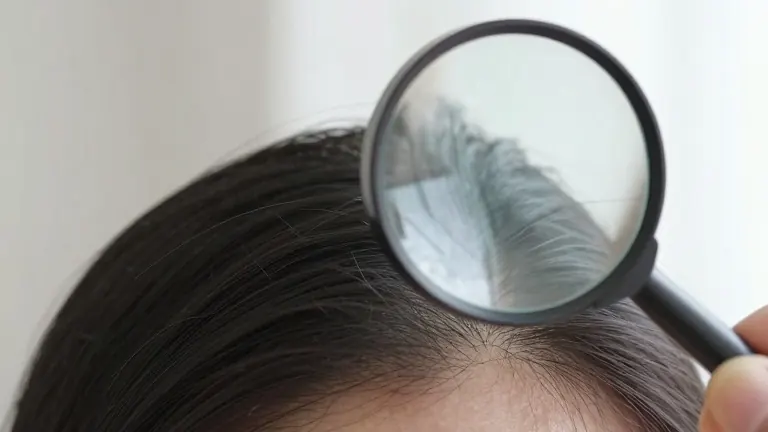
Rogers warned that skin cancer does not always look scary, which can make it dangerous because patients may ignore it. She said patients should pay close attention to any new or changing spots on their skin. A doctor’s exam or assistance from another person can help cover areas that are hard to see, such as the scalp.
Source: KAUU · original report published
More News · Anchorage news · Report a business · Got a Story?