Anchorage military families face rising mental health risks as winter darkness sets in
The Steven A. Cohen Military Family Clinic reports that seasonal depression affects a higher percentage of Alaskans, prompting expanded support services for troops and veterans.
By Christian Morales ·
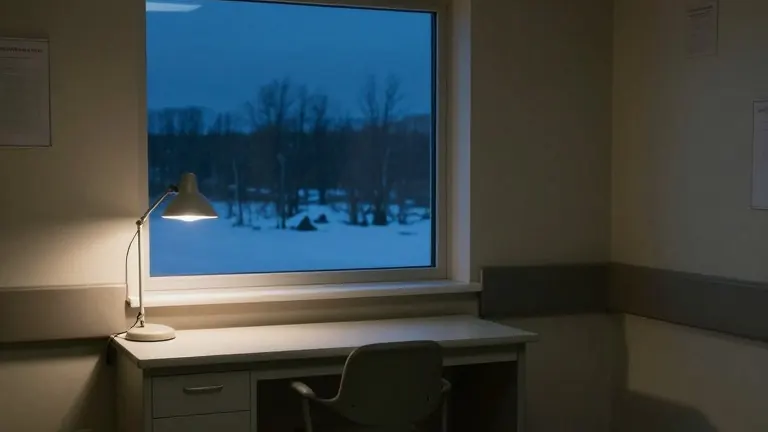
The shortening of daylight hours in Alaska brings a specific challenge for military personnel and their families: a heightened risk of seasonal depression.
Data from the American Psychiatric Association indicates that approximately one in 20 Americans experiences Seasonal Affective Disorder. In Alaska, the prevalence rate is higher, affecting roughly one in every 10 residents. Lisa Lindquist of Southcentral Foundation describes the condition as major depressive episodes that recur on a seasonal pattern. Common symptoms include difficulty sleeping, low energy, irritability, anxiety, and feelings of hopelessness. Some individuals also report suicidal thoughts.
Service members stationed in Alaska face additional stressors beyond the weather. MaryBeth Goodman, director of the Steven A. Cohen Military Family Clinic, notes that deployment cycles often disrupt circadian rhythms. When this biological disruption meets the Alaskan winter, the risk of seasonal depression increases. Goodman states that military communities face many stressors as they enter the season of changing light and cold. She observes that some military members, family members, children, and veterans may wrestle with dark thoughts during this time.
Goodman explains that seasonal changes can trigger memories of past traumas. For individuals who have not completed therapeutic work on previous experiences, the transition into winter can bring about intense emotional responses. Normal winter behaviors, such as staying indoors and wearing heavy clothing, can sometimes lead to unhealthy isolation. Troops and family members may stop attending social events or leaving their homes, which complicates the condition.
The Steven A. Cohen Military Family Clinic provides resources for those struggling with seasonal depression. Services include individual and group therapy, case management, and connections to community support. Goodman emphasizes that a key part of healthcare is reducing the stigma associated with seeking treatment. She argues that mental healthcare is healthcare, and that symptoms like suicidal thoughts should be treated as such rather than viewed with judgment.
Alaska has one of the highest suicide rates in the United States. Between 2018 and 2021, the U.S. Army reported that at least 29 service members in Alaska died by suicide. These numbers have prompted ongoing efforts to expand behavioral health support and improve quality of life on military installations. Goodman points out that support is available through multiple channels for those with suicidal thoughts. These include community resources, suicide prevention hotlines, the 273 Talk service, the 988 Lifeline, the Veteran Crisis Line, and Vets for Warriors.
The clinic operates locations in Fairbanks and Anchorage. It offers services both in person and through CVN Telehealth. The 988 Suicide and Crisis Lifeline is available 24 hours a day, seven days a week. It is free and confidential, connecting callers with trained counselors.
The American Psychiatric Association data underscores the scale of the issue, with the 1 in 10 statistic for Alaskans serving as a baseline for the clinic's outreach efforts. The combination of deployment schedules and local weather patterns creates a distinct environment for mental health monitoring in the state.
Goodman's comments highlight the need for accessible care during the winter months. The clinic's focus on breaking down stigma aims to encourage service members to seek help when they experience symptoms of depression or anxiety related to the seasonal shift.
Source: KAUU · original report published
More News · Anchorage news · Report a business · Got a Story?