
Study Finds Stroke Rates in Adults Under 55 Nearly Doubled Since 1993
Researchers link the rise in younger patients to early-onset high blood pressure, diabetes, and atrial fibrillation.
By Nina Patel ·
A new study indicates that the number of strokes affecting adults under the age of 55 has nearly doubled in the last three decades. The findings, published in the journal Neurology in September, analyze data from the Greater Cincinnati and Northern Kentucky region. This area was chosen because its demographic profile regarding age, race, education, and income closely mirrors that of the United States as a whole.
The research team, led by neurologist Emily Fisher at the University of Cincinnati, tracked cases from 1993 and 1994 through 2020. During this period, the annual rate of stroke among 20- to 54-year-olds rose from approximately 34 cases per 100,000 people to 62. In contrast, the rate for those 55 and older declined from about 619 to 453 cases per 100,000. The increase among younger adults was primarily driven by ischemic strokes, which occur when a blood vessel supplying the brain is blocked, often by a clot.
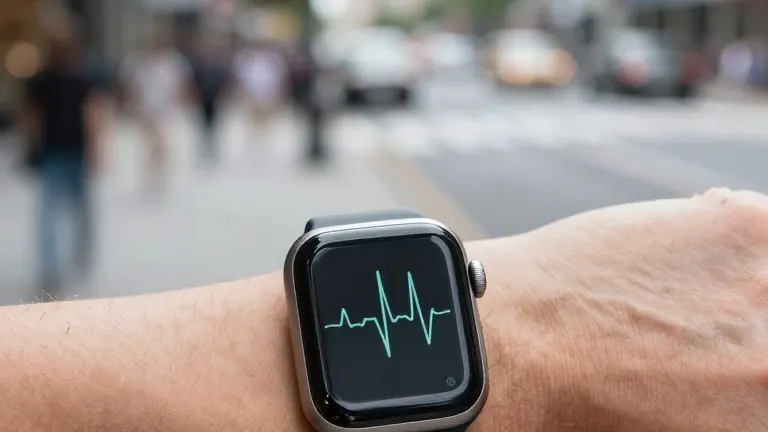
Michelle Johansen, an associate professor of neurology at Johns Hopkins Medicine who reviewed the paper, noted that the trend aligns with what clinicians observe in their daily practice. She explained that while many strokes are preventable, addressing risk factors earlier in life is essential. Johansen pointed out that atrial fibrillation, an irregular heartbeat, is a growing contributor to these cases. She suggested that the rise in detected A-fib may partly reflect improved monitoring through wearable devices like smartwatches, which can flag irregular rhythms.
Christopher D. Anderson, chief of the stroke division at Mass General Brigham, stated that traditional risk factors such as high blood pressure, diabetes, and sedentary lifestyles are appearing at younger ages than in the past. He added that diet, sodium intake, and substance use may also be playing a role. Fisher, who led the Cincinnati study, added that pregnancy-related strokes represent another area that requires further investigation due to the increased risk of blood clots during pregnancy.
Experts emphasize that prevention must begin sooner for younger adults. Anderson advised that individuals with a family history of stroke should seek regular medical care to monitor conditions like high blood pressure and elevated cholesterol. Johansen recommended that patients ask their doctors whether an EKG to screen for A-fib is appropriate. Both experts cited the American Heart Association’s Life’s Essential Eight as a framework for daily habits, including a healthy diet, physical activity, and adequate sleep.
All the experts highlighted the B.E. F.S.T. acronym for identifying stroke symptoms: balance loss, eye or vision changes, face drooping, arm weakness, speech difficulty, and time to call 911. Fisher noted that this tool applies to all ages. Anderson stressed the importance of acting immediately because effective treatments have strict time limits. He warned against waiting for symptoms to resolve, urging patients to seek medical attention as soon as possible.
Source: Alaska Star · original report published
More News · Anchorage news · Report a business · Got a Story?