University of Missouri-Kansas City doctor tests synthetic fluid for severe bleeding
Researchers say a new solution could reduce reliance on donor blood during traumatic injuries.
By Christian Morales ·
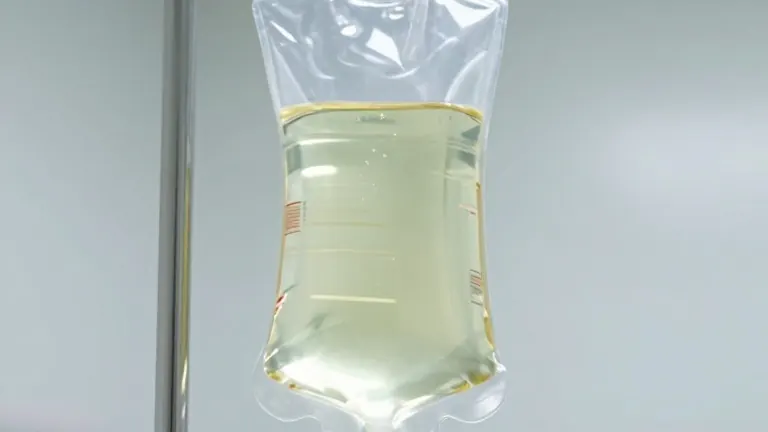
Residents of Anchorage who rely on the local blood bank network may see changes in how hospitals treat severe trauma if a new medical approach proves effective. A doctor and research scientist at the University of Missouri-Kansas City announced that he has developed a potential alternative to blood transfusions for patients suffering from severe blood loss. The treatment is designed to stabilize patients who experience hemorrhagic shock, a life-threatening condition that can result from car crashes or gunshot wounds.
The scientist described the new treatment as better than blood. Under current medical standards, transfusing donor blood is the primary method used to stop severe bleeding. The new solution aims to perform this same function without requiring a direct match to the patient's blood type or a supply of donated plasma. This distinction matters because blood supplies can be tight, particularly during emergencies or in remote regions where transport times are long.
The core of the discovery involves ingredients that are common in grocery stores. The research team is testing how these specific components interact with the body to prevent fluid loss. While the ingredients sound familiar to the average consumer, they are processed into a medical formulation intended for intravenous use. The goal is to create a stable fluid that can be administered quickly in the field before a patient reaches a hospital.
Some members of the medical community have expressed hope that this discovery will ease ongoing blood shortages. Blood banks across Alaska and the rest of the United States frequently face challenges in maintaining adequate stock for all blood types. A synthetic alternative could provide a buffer for hospitals when donor levels drop. The University of Missouri-Kansas City team is currently in the testing phase, working to validate the safety and efficacy of the fluid before wider adoption.
The potential impact extends to trauma centers that serve as first responders for critical injuries. By offering a treatment that does not depend on a donor, medical staff might be able to intervene faster. The scientist noted that the current standard of care remains blood transfusion, but the new method offers a pathway to reduce that dependency. The research team continues to gather data to support the treatment's role in emergency medicine.
This development is part of a wider effort to improve outcomes for trauma patients. The specific ingredients used in the solution are being scrutinized for their ability to mimic the volume and pressure functions of blood. The announcement comes from the University of Missouri-Kansas City, where the scientist leads the research project. The team is focused on translating this laboratory finding into a practical tool for emergency rooms.
The treatment is not yet standard care in hospitals nationwide. It remains a potential alternative that is undergoing evaluation. The scientist and his team are working to provide the data necessary for medical institutions to consider adding the solution to their protocols. The focus remains on severe cases where time is a critical factor in patient survival.
Source: KAUU · original report published
More News · Anchorage news · Report a business · Got a Story?