Reader seeks advice on excluding violent brother-in-law from husband's 50th birthday
A woman in Georgia worries her husband's brother will show up uninvited to surprise him, prompting columnist Eric to suggest preparing for specific scenarios rather than negotiating terms.
By Nina Patel ·
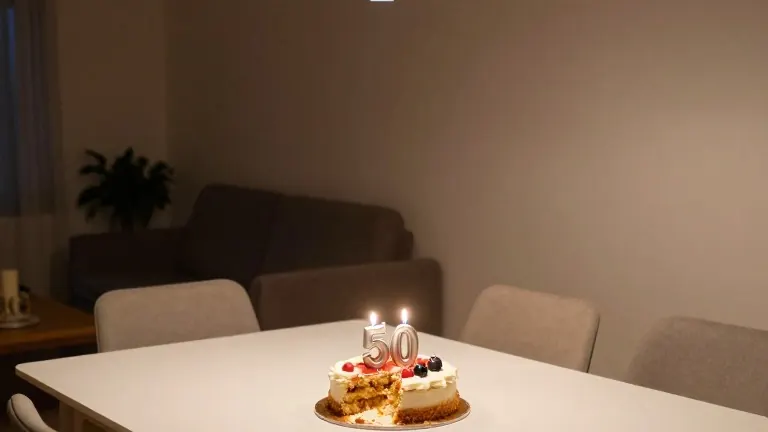
Anchorage readers can turn to the latest advice column for guidance on a family conflict involving a surprise 50th birthday party. The correspondent, signing as Party Pressure, details a long-standing tension between her husband and his brother. The two men have a toxic relationship marked by daily phone calls when apart and physical fights when together. The brother-in-law typically initiates conflict by hitting his sibling first and making cruel remarks directed at the writer.
The writer explains that the last time the brothers spent time together was during the funeral for their mother. The brother focused heavily on financial control and greed during that period. Since then, they have barely spoken, creating a sense of peace that the writer wishes to preserve. She organized a surprise celebration for her husband of more than 20 years. Invitations went to close friends and family, but the brother-in-law was left off the list. However, a friend informed the writer that the brother found out about the event and plans to attend.
The writer expressed concern that the brother will call her husband, ruining the surprise. She fears her husband will feel obligated to include him, despite the history of conflict. She asked whether she should invite him with a request to avoid problems or maintain the exclusion. The columnist, Eric, responded that trying to manage someone with a history of unmanageable behavior often creates more stress. He advised against putting effort into convincing the brother to behave, noting his past disrespect toward the writer.
Instead of negotiating, Eric suggested preparing for likely outcomes. In the first scenario, the brother calls his brother and spoils the surprise. Eric advised the writer to ask her husband to reconsider the invitation, citing the history of name-calling and violence. The party is a gift from the writer, so if the husband wants to celebrate with his brother, he should choose a different time. In the second scenario, the brother shows up at the door. Eric recommended enlisting the help of trusted friends and family members in advance to act as chaperones. This preparation is designed to reduce the writer's anticipatory anxiety.
The column also addressed a query from a reader in Georgia regarding college tuition residency. A neighbor mentioned his son plans to attend a large university in Ohio by using his Ohio-based brother's address to claim in-state status. The Georgia reader asked if she should tell her cousin who works in admissions. Eric explained that residency rules in the Ohio State Administrative Code require more than an address. Supporting documentation such as voter registration and sworn statements about employment in the state are necessary. If the student remains a dependent of parents living in Georgia, the plan will likely fail. Eric suggested the reader let the state's safeguards do their work.
A final note from a reader mentioned their late husband, who was 6-foot-5-inches tall. He would answer height questions by saying he was 5-foot-17-inches. This response usually stopped further inquiries and provided a moment of levity. The writer shared this as a follow-up to a previous column about a tall man tired of comments on his height. The columnist thanked the reader for the contribution.
Source: Alaska Star · original report published
More News · Anchorage news · Report a business · Got a Story?