Arizona Artist Resumes Carving After Brain Surgery
Deep brain stimulation therapy helped Bill Daggett manage Parkinson's disease, allowing him to regain the steady hands needed for his woodcarving.
By Katherine Brooks ·
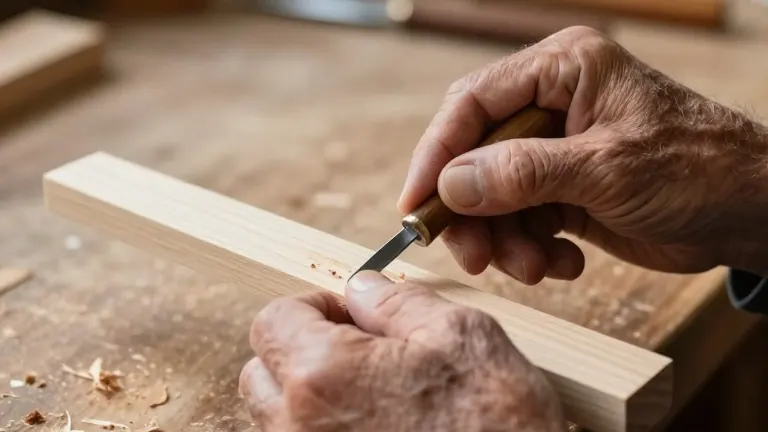
Bill Daggett, an Arizona artist, has returned to woodcarving after undergoing deep brain stimulation surgery. The procedure addresses the tremors caused by his Parkinson's disease, a condition that previously prevented him from performing basic daily tasks.
Daggett developed Parkinson's disease after a physician observed his shaking at an art show and recommended a medical evaluation. Before the surgery, the tremors were severe enough to interfere with eating and socializing. Daggett stated that he struggled to hold a fork and often avoided going out because of the visible symptoms.
Medication alone failed to control his symptoms, leading Daggett to choose deep brain stimulation. This therapy involves sending electrical pulses to specific areas of the brain to reduce movement disorders. The device functions similarly to a cardiac pacemaker but targets the nervous system rather than the heart.
Sam Cradduck, a gerontologist and host of the program 'Aging Untold,' described the procedure as a way to help the brain reset its electrical signals. Cradduck explained that the system reduces tremors and can mitigate some side effects associated with the disease's progression. He noted that this approach offers a new method for managing neurological symptoms that traditional treatments did not address effectively.
For Daggett, the primary benefit has been the restoration of his artistic practice. His hands are now steady enough to carve wood again, a task that was difficult before the intervention. Cradduck emphasized that the surgery addresses the emotional impact of the disease, not just the physical limitations.
Cradduck observed that while the physical aspects of aging and illness are frequently discussed, the emotional loss is often overlooked. He noted that Daggett felt a strong connection to his identity as an artist, which the disease was diminishing. The recovery of his ability to create allowed Daggett to reclaim a part of himself that had been lost to the condition.
The story illustrates how deep brain stimulation can impact the quality of life for individuals with long-standing neurological conditions. By stabilizing his movement, the therapy enabled Daggett to resume a hobby he had loved for decades. He no longer experiences the extreme shaking that characterized his early years with Parkinson's disease.
Source: KAUU · original report published
More News · Anchorage news · Report a business · Got a Story?