Afghan opium output jumps fourfold despite Taliban ban
U.N. data shows cultivation surged to 106,000 acres as poverty drives farmers back to the crop.
By Katherine Brooks ·
Opium production in Afghanistan increased by 400% over the past year, while poppy cultivation rose by 330%, according to a report released by the United Nations Office on Drugs and Crime on Thursday. The agency identified this surge as the steepest climb in opium activity since the Taliban government implemented a formal narcotics ban in April 2022.
The U.N. report states that cultivated area expanded to more than 43,000 hectares, equivalent to 106,000 acres, in 2026. This figure represents a sharp increase from the 10,000 hectares, or 24,700 acres, recorded in the previous year. The agency attributed the reversal to worsening poverty, which has pushed some farmers to grow opium crops in secret to sustain their households.
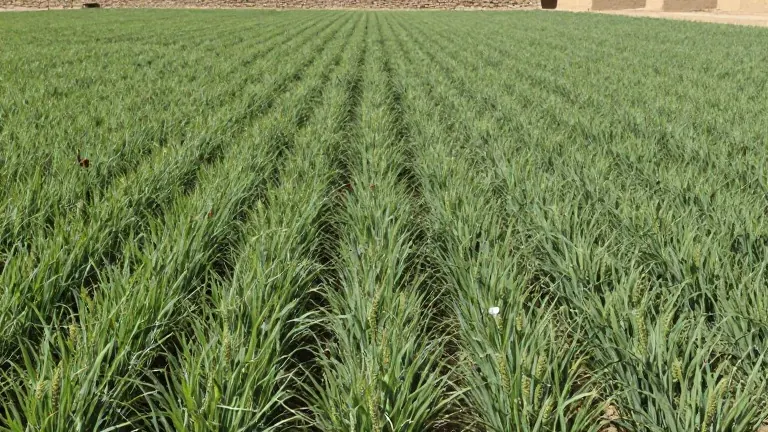
Fieldwork for the report indicated that farmers are hiding small poppy plots inside cereal fields or within walled compounds to avoid detection by authorities. Although the current levels of cultivation and production remain below those seen before the 2022 ban took effect, the U.N. described the recent jump as the highest recorded since the prohibition began.
Monica Juma, the executive director of the agency, said the fourfold increase demonstrates the difficulty of maintaining low levels of illicit cultivation when poor farmers lack other ways to feed their families. She called on the Taliban and the international community to invest in farming infrastructure, livelihoods, and market access to help communities reduce their reliance on opium.
Foreign Minister Amir Khan Muttaqi addressed the issue on Tuesday, describing the government’s efforts against narcotics as a major achievement for the administration. He stated that the international community shares responsibility for keeping the drug trade under control. Muttaqi emphasized the need for security measures, addiction treatment, and cooperation against trafficking networks.
The U.N. agency noted that continued monitoring is required to determine whether the recent spike is a temporary fluctuation or a sign of a long-term resurgence. The report urges global partners to provide greater support to Afghan farmers to curb the reliance on illicit crops.
The Taliban seized power in August 2021, ending a period during which Afghanistan was the world’s largest opium producer and a primary source of heroin for Europe and Asia. The 2022 ban previously reduced output by removing hundreds of thousands of farmers and laborers from the industry.
Source: Greenwich Time