UN leaves Somalia as election fight remains unresolved
The departure ends thirty years of political oversight just as leaders dispute the legality of the current president's term.
By Nina Patel ·
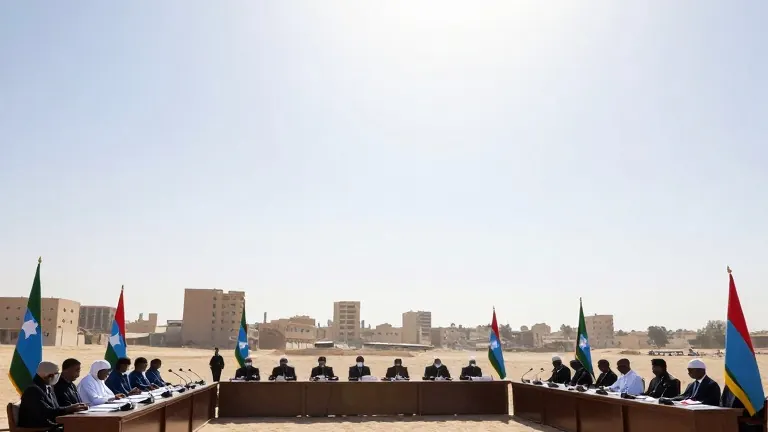
The United Nations Transitional Assistance Mission in Somalia concluded operations on Saturday, ending a thirty year presence that began after the 1991 collapse of the central government. The closure follows a 2024 request from the Somali government and a Security Council approval for a two year handover to local institutions.
Security forces and international aid workers remain in the country, but the primary political mediation body is gone. African Union troops will continue supporting Somali forces against al Shabab, an al Qaida linked group that controls large rural areas and attacks cities. The United Nations will maintain a separate office to provide supplies and transport to these security units.
The timing of the exit has raised concerns among opposition figures and analysts. A legal dispute currently divides the country over whether President Hassan Sheikh Mohamud and parliament can remain in office. Under previous four year terms, the president’s mandate expired on May 15 and parliament’s on April 14. The government approved constitutional changes to extend these terms to five years, claiming the current leaders serve until 2027. Opposition leaders reject these changes for sitting officials, arguing their authority has lapsed.
James Swan, the former United Nations special representative, attempted to broker an electoral agreement during his tenure. He held separate meetings with the government, opposition leaders, and regional administrations. Talks supported by the mission in July ended without resolving the conflict. In June, clashes between opposition supporters and security forces in Mogadishus resulted in heavy gunfire and displaced residents.
Deputy Prime Minister Salah Ahmed Jama marked the occasion at a farewell ceremony in Mogadishu on Monday. He stated that the ceremony signifies that Somalia has moved beyond the transitional period and difficult circumstances. UN Secretary General António Guterres acknowledged political, security, and humanitarian challenges in a statement marking the closure.
MoHamed Husein Gaas, director of the RAAD Peace Research Institute, warned that the departure removes a key mediation channel. He noted that Somalia could face a political crisis without an agreed mechanism to contain it. The opposition Somali Future Council requested an international mediation mechanism in a September letter.
President Mohamud has invited political leaders to election talks from November 14 to 18. Main opposition groups have not yet confirmed their attendance. By the time those meetings begin, the UN mission that previously mediated between the factions will have fully closed.
Source: WRAZ