Anchorage artisans face higher costs at AFN convention
Tariffs, fuel prices, and material expenses force vendors to raise prices or cut production at the October gathering.
By Nina Patel ·
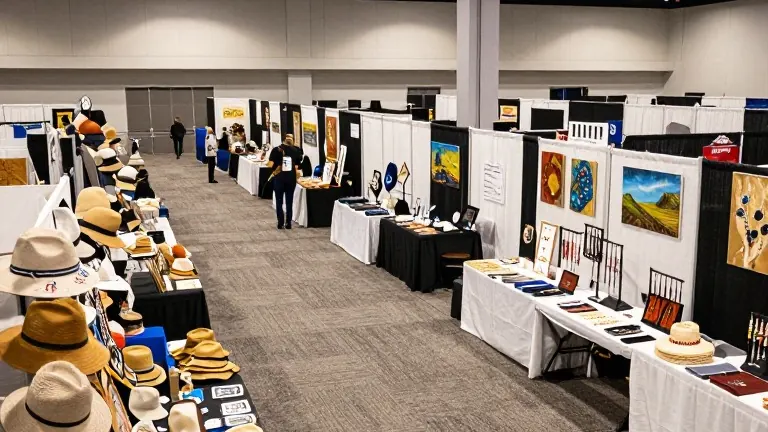
Artists at the Alaska Federation of Natives convention in Anchorage reported higher expenses for materials, shipping, and fuel in October. These rising costs forced vendors to make difficult financial choices just to keep their stalls open. Some sellers increased their prices, while others absorbed the extra costs or reduced the amount of work they produced.
The convention has always drawn artisans to the Dena’ina Center main hall. Vendors traditionally sell items ranging from beaded jewelry to paintings and woven goods. However, the financial landscape for these small businesses has shifted over the past year.
Margaret Hobbs sells knitted goods made from musk ox fiber, known as qiviut. Her brother hunts the animals on Nunivak Island, where her family is from. Hobbs noted that preparing the fiber involves cleaning, drying, and combing, a process that demands significant labor. She said, “Time is a lot of what it takes to make our qiviut stuff.” These labor and freight costs pushed the price of her hat from about $250 last year to $300 this year. Hobbs relies on these sales for income, but she acknowledged that higher prices make it harder for some customers to buy. “I notice it’s getting a little bit harder for some people to purchase things,” she said.
Ruth Stewart, a vendor from the Matanuska-Susitna area, faces similar pressures with beads and fur supplies. She has kept the prices of her necklaces and amulet bags steady for over a decade. “The 10 years, 12 years I’ve been doing it, I’ve had them at $50,” Stewart said. The cost of getting to the convention also weighs on her. Stewart said filling her vehicle’s 15-gallon tank with fuel cost more than $100.
Tariffs have impacted manufacturers sourcing materials from other countries. Alice Bioff, owner of Naataq Gear, cuts outerwear inspired by traditional Inupiaq clothing. Her company sources fabric from Canada. Bioff said tariffs made manufacturing more expensive, so the business cut production in half this year. “We’ve been trying to be very careful about all the situation with the tariffs,” Bioff said. The company aims to keep prices steady rather than passing the full cost to customers.
Greg Wolf, director of the Alaska International Business Center, said the U.S.-Canada tariff dispute has created challenges since the Trump administration introduced its policy last year. Wolf noted that small businesses often lack the financial cushion to absorb these ongoing increases. “This is a challenge for a lot of small businesses that don’t have the deep pockets .. to do this forever,” he said. Businesses must choose between raising prices and risking customers, or keeping prices low and eating the cost.
Not every artist faces the same level of pressure. Colleen Smagge, a watercolor artist, works with local photographers and printers on the Kenai Peninsula. She has raised prices slightly but tries to absorb expenses when possible. Smagge said she only increases costs when her local supplier does. “That’s how you know I’m affected by increases,” she said. Working with local partners gives her flexibility to keep her artwork affordable for collectors.
U.S. Sen. Lisa Murkowski visited the vendors during the convention. She observed that prices have risen over the years as artists account for production and travel expenses. “I’ve seen that prices are going up over the years, but … it’s trying to factor in some of the costs that are associated with just getting here to AFN,” Murkowski said. She expressed hope that diesel prices would not reach double digits by next year’s convention. Murkowski also cited fuel costs as a burden for Alaska families, saying the issue requires cooperation among federal, state, and tribal partners.
For vendors, the goal is to balance covering rising expenses with keeping their work accessible. This balance results in more expensive hats, fewer jackets on display, or steady prices that require the vendor to absorb the difference. Each decision helps these businesses continue operating as costs climb.
Source: Alaska Star · original report published
More Business · Anchorage news · Bad Service · Report a business · Got a Story?