Anchorage doctors explain causes and management of chronic dry mouth
Local medical experts discuss how dehydration, medications, and autoimmune conditions reduce saliva production, affecting 30% of adults over 65.
By Katherine Brooks ·
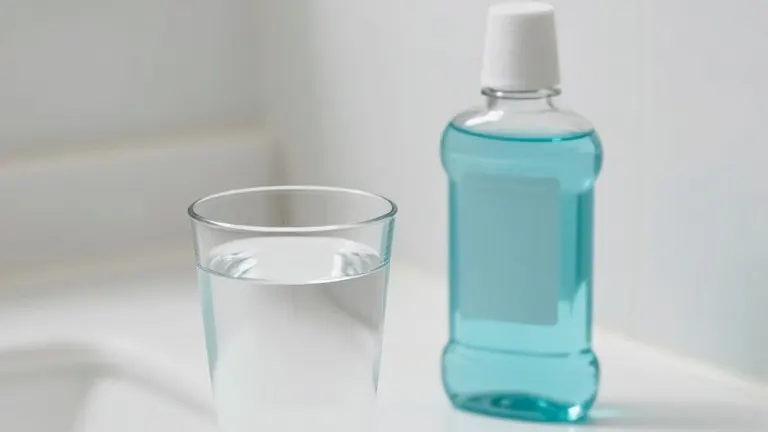
Dr. Rhea Rogers, a board-certified physician, stated that dry mouth occurs when salivary glands fail to produce adequate fluid. She identified dehydration, nerve damage, cancer, and autoimmune disorders as primary causes. Rogers noted that medications can also trigger the condition. She emphasized that identifying the root cause is the essential first step in treatment.
According to the American Dental Association, the condition affects 30% of adults aged 65 and older. The prevalence rises to 40% among adults aged 80 and up. Rogers explained that for healthy individuals not taking medication, dry mouth can serve as an early indicator of an underlying issue in the body.
Gerontologist Sam Cradduck described saliva as a critical biological fluid. She compared a lack of saliva to driving a car without engine oil. Cradduck said that without sufficient saliva, talking, eating, and chewing become difficult. Dr. Rogers added that saliva cleanses the mouth and protects tooth enamel. She noted that dry mouth can also affect the fit of dentures, leading to discomfort and sores.
Cradduck, who manages dry mouth caused by an autoimmune condition, shared personal strategies for relief. She keeps gum in her mouth at all times, including while sleeping. She also uses candy and hard drops to stimulate salivation. Cradduck advised patients to avoid alcohol-based mouthwashes, as the alcohol can dry the mouth further. She also recommended limiting alcohol consumption and smoking.
Cradduck mentioned sticky drops that can be placed on the gums to provide moisture. She described a patient who had salivary glands removed due to cancer and now uses stickers around the gums. Rogers explained that medical treatments generally work by stimulating underproducing glands or providing moisture when glands cannot function.
Aging expert Amy O'Rourke suggested that patients bring up dryness during routine dental visits. She recommended asking the dentist about the state of the mouth and the level of dryness at least twice a year. O'Rourke listed frequent coughing, recurring infections, and avoiding specific foods as potential signs of trouble. She urged patients to stay in contact with dental professionals to monitor these symptoms.
The medical advice was provided by the program Aging Untold. The program is intended for educational and informational purposes. It does not constitute medical advice or professional services. Individuals seeking personal medical advice should consult a licensed physician. The information should not be used to diagnose or treat a health problem. Patients should consult a doctor for a medical condition and call 911 for emergencies. No physician-patient relationship is created by the program.
The source article was published by KAUU on November 5, 2026. It is part of the Aging Untold series produced by Gray Media Group. The content is for general information and does not replace professional medical consultation. Patients should never disregard professional medical advice or delay seeking it because of information from the program.
More News · Anchorage news · Report a business · Got a Story?