Breaking: Musk's Companies Lose $300 Billion as Wall Street Suffers Historic Crash
Elon Musk's Tesla and SpaceX suffered massive losses amid a $1 trillion tech rout driven by Democratic midterm wins and fears over data center restrictions.
By Katherine Brooks ·
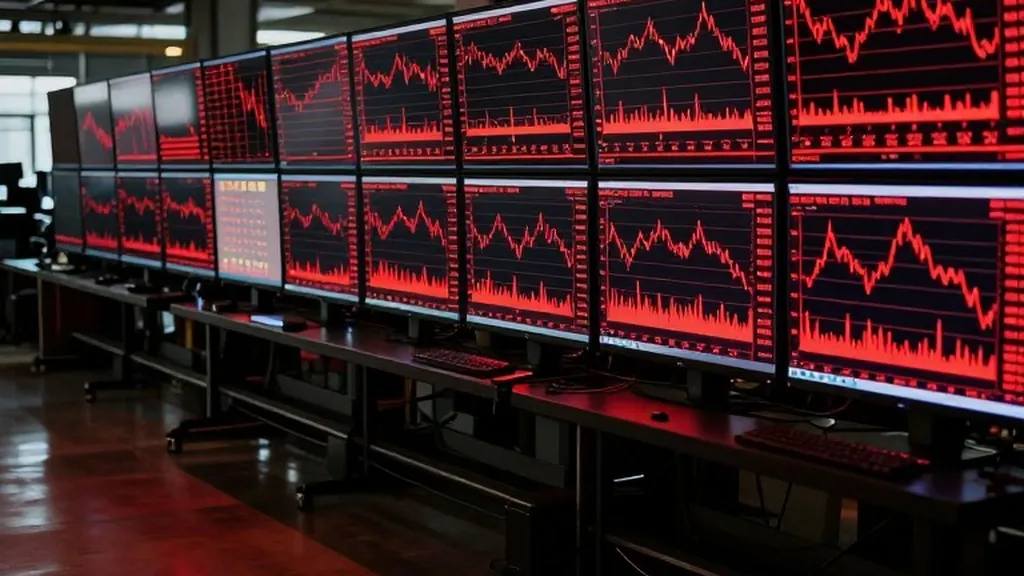
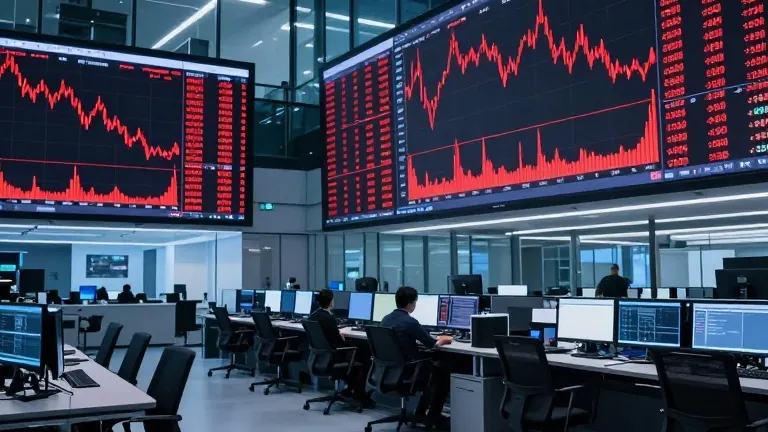
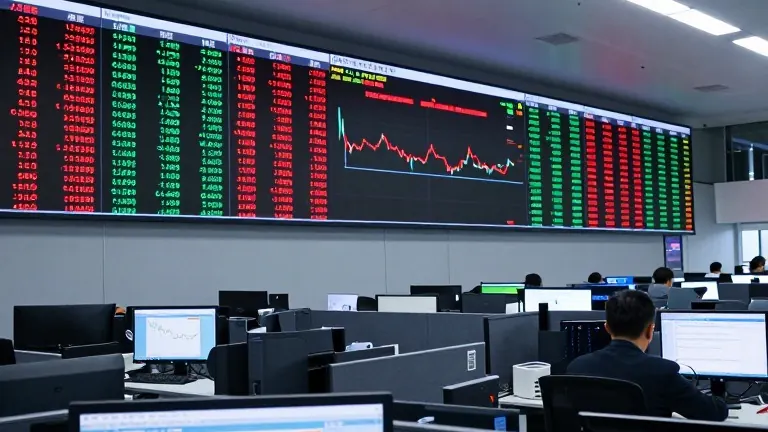
Thursday marked a turbulent day for investors as the U.S. stock market experienced a sharp decline, wiping out trillions of dollars in value and signaling a significant shift in the economic landscape. The Dow Jones Industrial Average fell more than 1,800 points, a drop of 3.4 percent, to close at 51,868. This decline erased the gains made on Wednesday, which had been the Dow's biggest daily gain of the year. The S&P 500 also fell 4.3 percent, its worst day since April 2025, while the Nasdaq Composite dropped 5.5 percent, its worst performance in 18 months.
The selling pressure was particularly intense for technology stocks, with the so-called Magnificent Seven companies shedding about $1 trillion in value in a single trading day. Elon Musk, the prominent figure behind Tesla and SpaceX, faced a particularly difficult week as his companies lost more than $300 billion in combined market value. Tesla fell nearly 11 percent and SpaceX fell 8 percent, reflecting broader investor anxiety about the sustainability of the artificial intelligence trade and the future of data center construction.
This financial turmoil coincided with a significant political shift following Tuesday's midterm elections. Democrats swept control of both the House and the Senate, a result that has raised concerns among investors about potential legislative hurdles for the tech industry. In Texas, Democrat Gina Hinojosa won the race for governor after campaigning on an immediate moratorium on new data center construction. This victory, along with Democratic wins in other states with large concentrations of planned data centers, heightened fears that the infrastructure at the heart of the AI buildout would face new regulatory challenges.
Musk's political investments also came into focus during this volatile period. He had spent nearly $450 million backing Republican campaigns, including at least $45 million in support of Ken Paxton for the Texas Senate seat. However, the Texas Senate race went to the Democrats on Tuesday night, marking a notable failure for a key part of Musk's political strategy. This political setback, combined with the market crash, underscored the interconnected nature of political outcomes and financial markets in the current economic climate.
For local readers in Anchorage and across Alaska, a day like this has direct implications for retirement accounts and savings. When major indices like the S&P 500 and Nasdaq fall sharply, the value of mutual funds and exchange traded funds held in 401(k) plans and individual brokerage accounts decreases. This means that the projected retirement savings for many Alaskans may look significantly smaller on paper. While such drops are often temporary, they can cause anxiety for savers and small investors who see their assets decline rapidly. The fear gauge, known as the VIX, jumped as much as 5.7 points to above 28, indicating a high level of uncertainty in the market.
Analysts are offering mixed perspectives on the future of the market. Neil Wilson, an investor strategist at Saxo UK, described the event as a complete capitulation-level event in tech stocks, suggesting that the fear is a total momentum unwind. He noted that while the drop looks overdone, the nature of sell everything in this market means stability must be established first. Dan Ives, a tech analyst, warned that Democrats taking control of the Senate will create major hurdles for AI and tech legislation over the next two years, signaling a clear sign that the pace of data center build-out will start to slow.
Ted Parkhill, founder and chief executive of Incline Investment Management, observed that the market is moving from the promise of AI to the price of AI. He emphasized that while AI is transformative in the long run, not every related stock is priced appropriately, leading to potential turmoil. Susannah Streeter, chief investment strategist at Wealth Club, stated that fresh panic over the AI trade has hit Wall Street hard, with fears that vast sums poured into AI infrastructure may not deliver expected returns colliding with the prospect of a sharp slowdown in data center construction.
Historical data provides some context for investors. Frank Cappelleri, founder of CappThesis, noted that the Nasdaq was higher 12 months after the election in all but one of 13 midterm cycles since 1974, though the path can be volatile. Gene Goldman, chief investment officer at Cetera Financial Group, said the sell-off had become exaggerated and predicted a recovery, noting that corrections in bull markets are typically short-lived. Despite the current ugliness, many strategists believe a bounce back is likely, offering a glimmer of hope for those whose retirement accounts have taken a hit.
The tech industry is also responding to the backlash against data centers. Greg Brockman, president and co-founder of OpenAI, said at the WSJ Tech conference that the industry needs to do more work to bring communities on board, noting that from San Francisco trying to build infrastructure in other states, one cannot just tweet that it is going to be good. Dina Powell McCormick, president of Meta, echoed this sentiment, stating that the industry needs to double and triple down on telling the story. These responses highlight the growing importance of public perception in the success of major technology initiatives.
As the market closes, investors in Anchorage and elsewhere are left to assess the impact on their portfolios. The 10-year Treasury yield fell to 4.83 percent, its lowest since September, as investors bought bonds as a haven. This move reflects a broader trend of risk aversion in the face of political and economic uncertainty. While the immediate future remains unclear, the interplay between political outcomes and market performance continues to shape the financial landscape for both large corporations and individual savers.
More Business · Bad Service · Report a business · Got a Story?