HHS Lets Pharmacies Sell Six Wellness Peptides
FDA scientists opposed the move, and the policy directs the agency not to act against compounders selling BPC-157, TB-500 and four others.
By Christian Morales ·
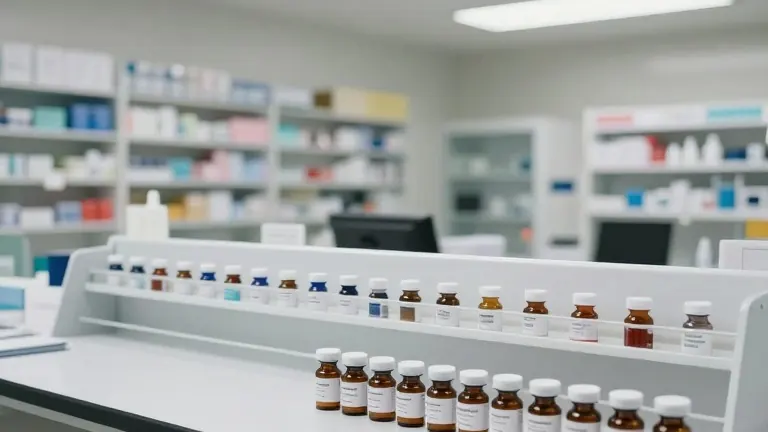
The Trump administration moved Wednesday to open U.S. sales of six injectable peptides that federal scientists have not approved as safe or effective. The Department of Health and Human Services posted a draft policy that directs the Food and Drug Administration not to take action against specialty pharmacies selling BPC-157, TB-500 and KPV. HHS will accept comments on the draft for two weeks before it is finalized.
Six people familiar with how the policy was developed said FDA drug staffers had little input on it and opposed the changes. They spoke to The Associated Press on condition of anonymity because the deliberations were confidential. The document was primarily written by HHS officials. FDA staff later provided technical assistance on the draft, including provisions requiring pharmacies to buy peptide ingredients from FDA-registered factories, to check purity, and to collect information on side effects for later safety review.
FDA officials had earlier warned that their scientific staff held major safety concerns and would not support a regulation declaring the peptides safe. HHS originally wanted FDA to add BPC-157 and related compounds to a list of drug substances deemed safe for compounding pharmacies. HHS then switched to the current approach, which tells FDA not to enforce its rules against compounders.
Secretary of Health and Human Services Robert F. Kennedy Jr. wrote that the change advances patient choice and freedom while shielding consumers from peptides sold online that often come from ingredients of unknown origin and quality. Kennedy has called himself a big fan of peptides and has described using BPC-157 for a muscle injury. Lee Rosebush of the American Academy of Peptide Medicine wrote online that HHS had taken a huge step for patient and provider medical freedom. That group represents people who prescribe or sell peptides and is not a medical professional society.
Dr. Peter Lurie, who leads the Center for Science in the Public Interest and formerly worked at FDA, said approved drugs already exist for the insomnia, anxiety and migraine uses promoted for these compounds. As people are diverted from those drugs toward this stuff, there will be more unnecessary pain and suffering, he said. Lurie also questioned the timing of the change days before the midterm election, calling it a wink and nod to the MAHA faithful in the hope that they will show up at the polls.
A spokesperson for HHS said the agency is confronting the risks of black-market peptides by giving Americans a more controlled alternative through licensed U.S. compounders. The Alliance for Pharmacy Compounding, which represents specialty pharmacies, said details still need clarification, including when the policy takes effect and how it intersects with state pharmacy boards. Federal law gives HHS authority over drug rules, which are then delegated to FDA, and former FDA officials said it is extremely rare for HHS to take the lead on compounding policy.
In 2023, FDA added more than a dozen peptides, including BPC-157 and TB-500, to a list of substances that should not be compounded because of risks of allergic reactions, kidney damage and tumor growth. At a July meeting, FDA staffers said more than a half dozen peptides brought up for reconsideration remained unproven in safety and effectiveness. A panel of outside experts selected by Kennedy then voted to drop restrictions on the six peptides named in Wednesday's document; the panel included doctors, pharmacists and consultants who work in the peptide field.
Wall Street analysts estimate the peptide market could be worth more than $2 billion. Telehealth company Hims & Hers recently announced plans to offer wellness peptides once the government changed its policy.
Source: Alaska Star · original report published
More News · Anchorage news · Report a business · Got a Story?