Netanyahu pushes Trump for Iran strikes
The Israeli prime minister sought a post-midterm air campaign while Qatari mediators work to end the Strait of Hormuz crisis.
By Christian Morales ·

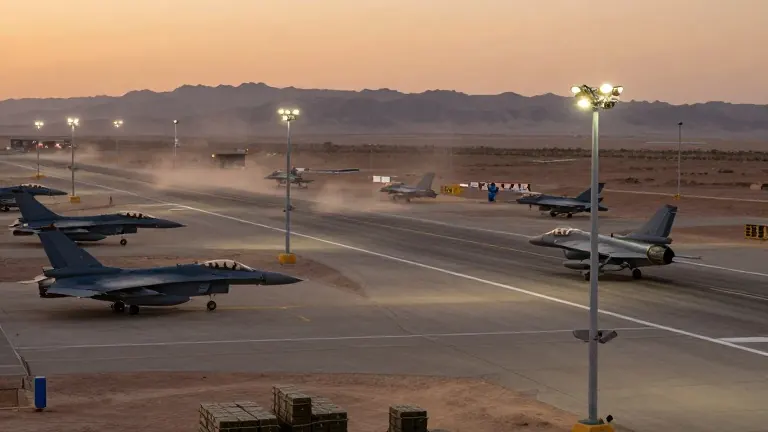
Israeli Prime Minister Benjamin Netanyahu is urging U.S. President Donald Trump to launch a new air campaign against Iran after Tuesday's midterm elections. Two regional officials and a third person familiar with the matter said Netanyahu is coordinating with senior U.S. administration officials to secure presidential approval for a quick but extensive strike package. Trump has not yet decided whether to authorize the military action.
The push for renewed conflict comes after Netanyahu and his far-right allies lost their parliamentary majority in Israel's elections last week. A return to full-scale war with Iran could allow the prime minister to form an emergency government. Netanyahu discussed the potential strikes with Trump during a phone call over the weekend. A person briefed on the conversation said Trump did not commit to taking military action but described the call as very good.
Diplomatic efforts continue alongside the military pressure. Qatari mediators held two rounds of talks with Iranian officials last week. They are attempting to finalize a framework in which Iran ceases attacks in the Strait of Hormuz in exchange for the United States lifting its blockade on Iranian ports. More talks are scheduled for this week. The officials involved in these discussions spoke on condition of anonymity because they were sharing details from classified American and Israeli briefings.
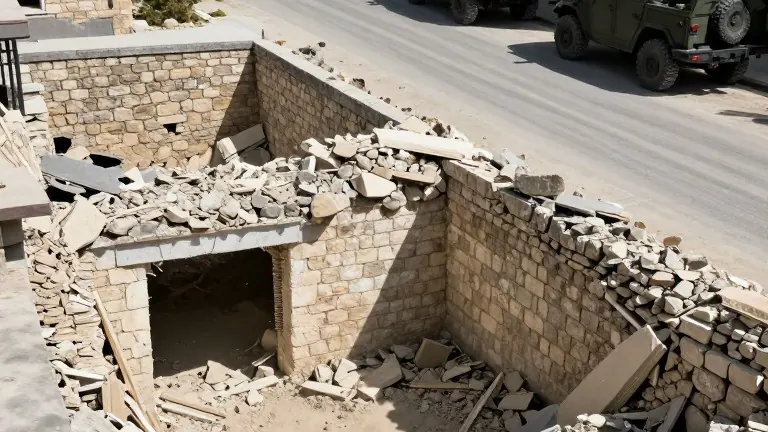
U.S. allies in the Middle East are warning against expanding the war. A third regional official said that additional strikes could destabilize the region. The official noted that Iran-allied Houthi rebels in Yemen might increase attacks on Saudi Arabia and Red Sea shipping. Iran-backed militias in Iraq could also enter the conflict. The White House did not directly respond to questions about the weekend call between the two leaders. The Israeli government did not immediately comment.
U.S. Secretary of State Marco Rubio said the Trump administration prefers a diplomatic solution. He stated that Trump has incredible confidence in military action if needed but has not made a final decision. Rubio said talks are ongoing. Iranian officials publicly state they are prepared for either war or diplomacy. Iran seeks guarantees that the United States will implement any agreement, noting that the U.S. and Israel have attacked Iran twice during previous nuclear negotiations.
Ayatollah Mojtaba Khamenei, Iran's new supreme leader, met with military chiefs to discuss the threat. He urged an immediate response to any threat from the U.S. or Israel without geographic limits. He also called for expanding the list of potential targets. Khamenei has not appeared publicly since the Feb. 28 strikes killed his father, the previous supreme leader. Iranian security chief Mohsen Rezaei told state television that the tone from the U.S. has changed, calling it a very good sign. Rezaei said he had received a letter from Vice President JD Vance but had not responded.
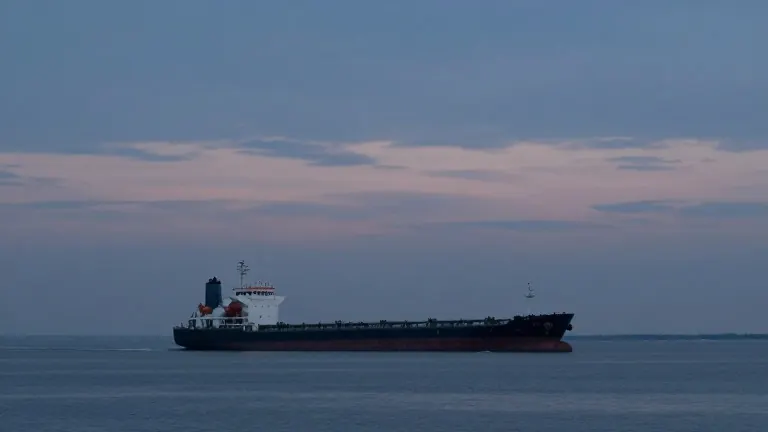
Commercial shipping in the region remains under pressure. October recorded the most attacks on ships in the Strait of Hormuz since March. Iran is using this economic pressure to force the U.S. to lift its blockade. At the Manama Dialogue security summit in Bahrain, United Arab Emirates adviser Anwar Gargash said the U.S. and Iranian positions are far apart. He warned that if these positions are not bridged, the region must worry about the worst. Egypt's foreign minister said the next escalation would be more destructive and lead nowhere.
China plans to send a special envoy to Iran, Oman, and Saudi Arabia in early to mid-November. Foreign Ministry spokesperson Mao Ning announced the trip on Monday. President Xi Jinping told Oman's sultan that the Gulf region should not become an arena for great-power rivalry. China and Oman called for a return to dialogue. The standoff in the Gulf is described by Andreas Krieg, a professor at King's College London, as being between Qatar and Israel. Krieg said Qatar is working on a diplomatic exit while Israel seeks military solutions.
Source: Alaska Star · original report published
More World · Anchorage news · Report a business · Got a Story?