Alaska study: nearly one-third of households earn above poverty line but can't afford basics
A new analysis finds 33% of Alaska households fall into a gap between the federal poverty line and the actual cost of living.
By Christian Morales ·
Nearly one-third of Alaska households earn too much to be counted as poor under federal rules but still cannot afford basic expenses, according to a study released this week. The analysis examined households earning above the federal poverty line that struggle to cover necessities. Jon Bittner of the Anchorage Economic Development Corporation, who consulted on the study, said wages in Alaska have not kept pace with the cost of living.
The federal poverty line does not reflect what it costs to live in Alaska, Bittner said. That gap affects who qualifies for food stamps, subsidized child care and rental assistance. Naomi Estes, who works at the Anchorage School District and earns $70,000 a year, was denied food stamps. She is a single mother of two in Chugiak. After-school care for her sons costs close to $1,200 a month.
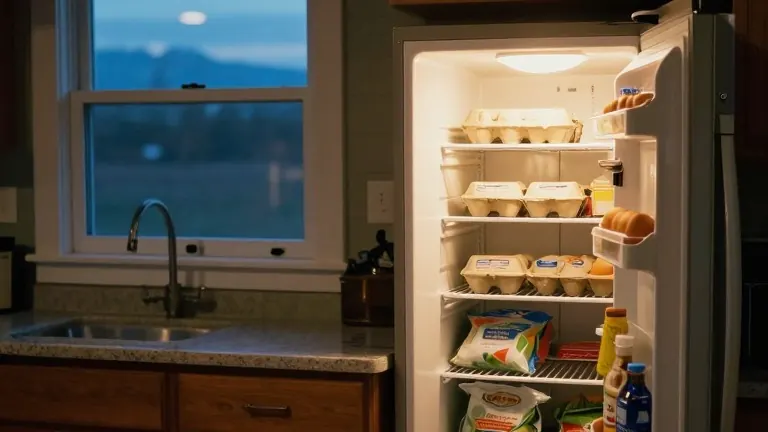
Estes said she buys an 18-pack of off-brand eggs for $2.99 instead of free-range, uses frozen vegetables, and repairs her own house and changes her own oil. She thrifts clothing and sometimes prepares meals from whatever is left in the cupboard. "We're constantly problem-solving," Estes said. "That's so exhausting that I'll just. I'll crash out. It's unsustainable."
Bittner said people in this income range are told their difficulties are not real hardship. "People were living this experience but being told, 'No, you're not actually in poverty, there's just something wrong. You're drinking too many lattes or something,'" Bittner said.
In Fairbanks, Ginger David said heating fuel now costs six times what it did when she bought her house a few years ago. She works a regular job but said her mortgage and utilities leave little room. Her father, brother and son haul her heating fuel to avoid a $150 delivery charge. "I know I'm not poor, and I know I show up for work eight to five every single day," David said. "I know that I'm far better off than other people. But at the same time, it's so discouraging."
Bittner said households in this bracket make trade-offs to stay afloat. "You shouldn't have to live with 12 other people," he said. "You shouldn't have to have three jobs. You shouldn't have to work 80 hours a week. You shouldn't have to make choices between prescription drugs and food for your family."
Estes relies on friends and family to pick up her children from child care and to help with holiday and birthday costs. She said her grandmother is 80 and she worries about asking for too much help. She also said she thinks about what she can provide for her two sons. "I think about the future a lot," Estes said. "I don't know what that's going to look like."
Estes said she would like to take her boys to Hawaii but is unsure she can afford it. "I don't think it'd be feasible, but I'm always dreaming up what it would be like to take a vacation, to take my kids on a vacation to Hawaii," she said. "I think they deserve that."
Source: Alaska Public Media · original report published
More News · Anchorage news · Report a business · Got a Story?