Ancient Scythian graves reveal early cannabis use
New evidence from a Siberian burial site suggests nomads smoked the plant 2,800 years ago, predating the first written accounts.
By Christian Morales ·
A new study published Thursday in the journal Science indicates that Scythian nomads may have used cannabis for psychoactive effects approximately 2,800 years ago. This finding pushes back the timeline for such use by 400 years prior to the account given by the Greek historian Herodotus in the fourth century B.C.
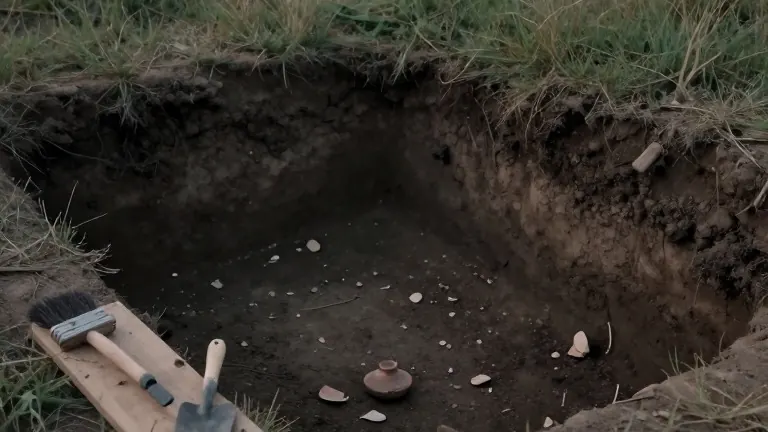
Researchers analyzed artifacts from a Siberian burial site named Tunnug 1. The team reported finding 1,000 cannabis seeds at the location. Some of these seeds were dated to the first decade of the 8th century B.C. The site also contained fragmented remains of at least 18 horses and one human, leading investigators to believe a sacrifice occurred there.
Gino Caspari, an archaeologist at the University of Bern and the lead author of the study, examined hair found at the site. The analysis detected traces of cannabinol, or CBN. This compound is mildly psychoactive and forms when tetrahydrocannabinol, or THC, is exposed to air, heat, or light. Caspari noted the rarity of such a test in an email, stating that drug testing a person dead for nearly 3,000 years is unusual even for archaeologists.
The findings align with descriptions of Scythian rituals found in ancient texts. Herodotus wrote that the group threw cannabis seeds onto red-hot stones to create a vapor bath. He described the Scythians howling in joy at the steam, a practice he claimed surpassed Greek vapour baths. The physical evidence of horse and human remains at Tunnug 1 supports theories that cannabis was used to sedate victims before sacrifice.
Other archaeological sites in China provide additional context for early cannabis use. In 2008, researchers found 789 grams of ancient cannabis in a 2,700-year-old grave of a shaman at the Yanghai tombs. In 2016, a burial shroud made of cannabis was discovered in the Jiayi cemetery. A 2019 study also identified cannabis residues at the Jirzankal site in western China, where the plant was ritually smoked 2,500 years ago.
Some experts questioned the methodology used in the new study. Marilyn Huestis, a toxicologist not affiliated with the research, called the omission of direct THC concentration tests poor science. Ethan Russo, a neurologist and cannabis researcher, said the detected levels of CBN were hard to believe because wild cannabis typically contains less THC than modern varieties. Caspari acknowledged the team could not calibrate measurements due to German narcotics laws preventing the purchase of necessary samples.
Caspari explained that CBN is a stable compound and would increase as THC degraded over time. He stated that the mechanism merits closer examination in future research. Rob Clarke, a cannabis researcher not involved in the study, said the new data adds to the evidence of early psychoactive use. He noted that recent finds have expanded the known range of these cultural traditions from China to the west.
More Culture · Anchorage news · Report a business · Got a Story?