Cumberland, Maryland pays $20,000 to recruit remote workers
The city offers $10,000 in cash and $10,000 for housing to reverse a population drop that has lasted since the 1970s.
By Nina Patel ·
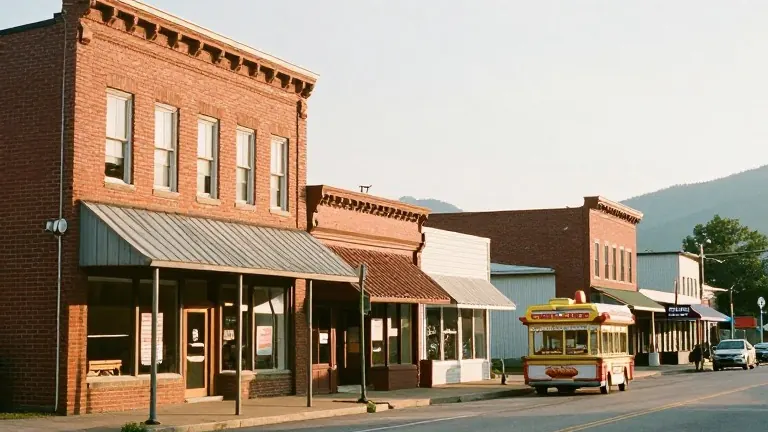
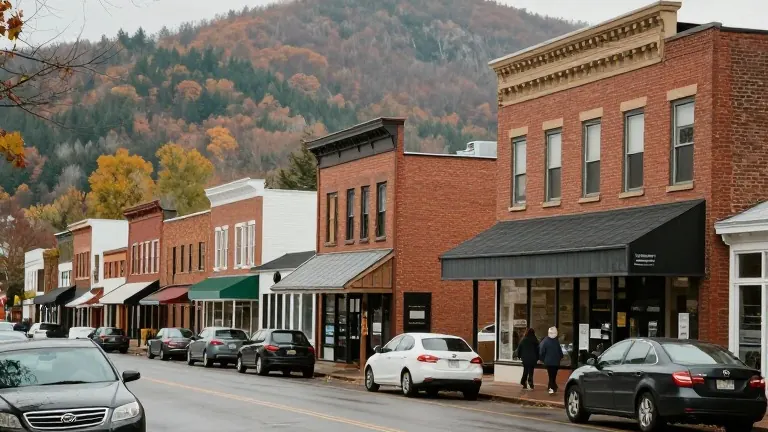
Cumberland, Maryland, is paying up to $20,000 for people to move to the city. The new pilot program, called Choose Cumberland, targets remote workers who can live anywhere while keeping their jobs.
The offer consists of $10,000 in direct cash and another $10,000 toward a home down payment or approved renovations. Recipients must make Cumberland their primary residence for at least five years. Mayor Ray Morriss said the city needs workers who bring their employers with them to stabilize the local economy.
Cumberland, located about 130 miles from Washington, D.C., has lost more than half its population since the 1970s. Several large manufacturing employers closed during that period. The city’s population fell from over 40,000 to fewer than 19,000 people. Morriss noted that the city once had a population above 40,000.
Tulsa, Oklahoma, operates the largest known program of its kind. Tulsa Remote pays $10,000 to remote workers who move to the city to rent or buy a home. The program began before the pandemic as a way to diversify a workforce that relies heavily on oil and gas. Justin Harlan, managing director of Tulsa Remote, said the initiative started as an experiment to change the labor market.
The Tulsa program has grown from about 70 participants in 2019 to more than 3,500. It requires only a one-year residency. Harlan said the program maintains a 90% retention rate beyond that period. Seventy-five percent of participants since 2019 still live in Tulsa.
Faith Langevin moved from Atlanta to Tulsa in 2022. She cited the lower cost of living and the cash incentive as reasons for the move. Her husband also received the payment. Langevin said the social aspect of the city made the move stand out to her. She said she has no regrets about the decision three years later.
Evan Starr, an associate professor at the University of Maryland’s School of Business, studied the Tulsa Remote program. He found the retention rate to be a key indicator of success. Starr said cities need to ensure people stay for reasons other than money. He believes remote work has created a new level of geographic mobility that is here to stay.
Source: KPTV