Dollar General faces 20-state lawsuit over checkout price gaps
The FTC and 20 states allege the retailer routinely charges more at the register than on shelves, citing nearly 30,000 customer complaints.
By Nina Patel ·
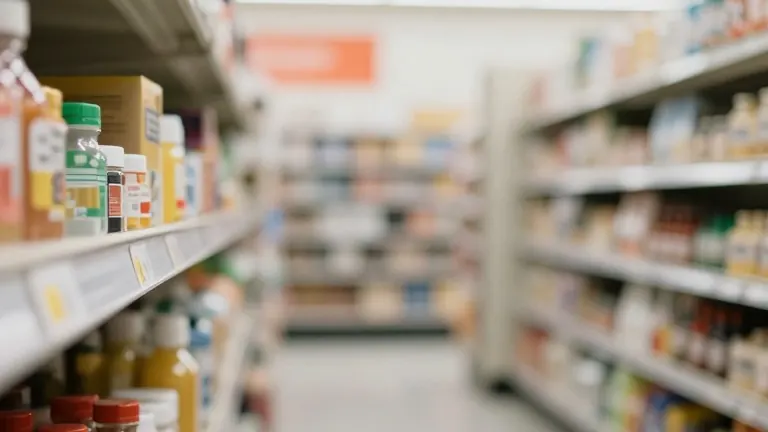
A coalition of 20 states and the Federal Trade Commission filed a lawsuit on Monday against Dollar General, alleging the chain routinely charges shoppers more at the register than the prices displayed on shelves, tags, and in advertisements. The complaint was filed in the U.S. District Court for the Middle District of Tennessee.
The lawsuit claims the discount retailer has known about the pricing discrepancies for years and failed to correct the issue. Wisconsin Attorney General Josh Kaul said in a news release that the prices shoppers see while browsing should match the prices they pay at checkout. He stated that if register prices are higher than shelf prices, the company should face accountability.
According to the 95-page complaint, Dollar General received at least 29,265 customer complaints categorized as “Did Not Honor Marked Price” between January 1, 2023, and March 31, 2026. These complaints originated from all 48 states where the company operates. The suit was joined by Alabama, Arizona, Arkansas, California, Connecticut, Florida, Illinois, Iowa, Kansas, Louisiana, Michigan, Mississippi, Nebraska, North Carolina, Ohio, Oklahoma, Tennessee, Utah, and Wisconsin.
FTC investigators conducted undercover purchases at Dollar General locations in Ohio, Pennsylvania, Missouri, and Maryland between January 16 and April 1, 2026. The complaint states that every single undercover purchase resulted in the store charging more for multiple products than the advertised price. The document notes that Dollar General routinely fails pricing inspections across the United States. Most states consider an inspection a failure if more than 2 percent of checked items are priced incorrectly.
The complaint explains that Dollar General changes prices weekly. Employees are required to update shelf labels during a five-hour shift known as “Compliance Tuesday.” Because most price changes are increases, shoppers often pay more when the register updates before the physical shelf tag is changed. The document claims stores are often too thinly staffed to print and install new labels in time.
The suit cites a news article sent to the company’s CEO in which a former assistant manager in Illinois described working conditions. The manager stated, “You’re lucky if you get to work two to four hours of your eight-to 13-hour shift with another human being.” The complaint notes that Dollar General has settled seven state cases with six attorneys general and consumer protection agencies since 2019, paying more than $6 million for pricing errors.
In a response to the lawsuit, Dollar General argued that the action suggests the company has abandoned its mission and disregarded the affordability needs of customers. The company stated its goal is 100 percent accuracy between shelf and register prices in every store. It added that while occasional discrepancies can occur despite policies, store teams are instructed to make things right for the customer.
Dollar General also said that the FTC demanded a monetary amount in pre-suit talks that was untethered to any realistic assessment of the pricing discrepancies. The company described the demanded amount as orders of magnitude larger than what was attributable to the errors.
Source: Patch Doylestown
More Business · Bad Service · Report a business · Got a Story?