Midterm elections define Congress control
Voters choose 435 House members and 35 senators on Nov. 3 while the Supreme Court hears a key education case.
By Christian Morales ·

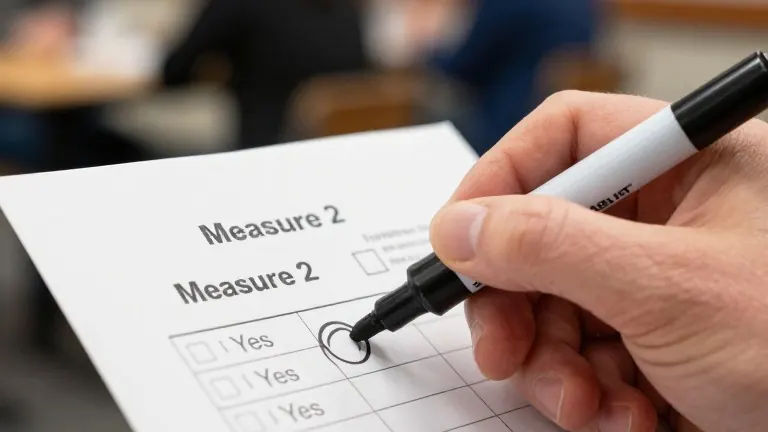
Americans cast ballots on Tuesday, Nov. 3, for local, state, and federal offices. The midterm elections decide which party controls Congress for the next two years. Republicans aim to hold their majority through the end of President Donald Trump’s second term. Democrats seek to flip both chambers to their party.
All 435 U.S. House seats and 35 Senate seats are up for grabs. Voters in 36 states also choose their governors. The outcome in these races sets the legislative agenda for the final stretch of the current administration.
Key contests in Texas, Michigan, and Alaska draw close attention. Latest polls label the Senate races in those states as toss-ups. These three jurisdictions could tip the balance of power in the upper chamber.
The U.S. Supreme Court begins its November oral argument session this week. The schedule runs from Nov. 2 to Nov. 10. Justices will hear seven hours of arguments over five days.
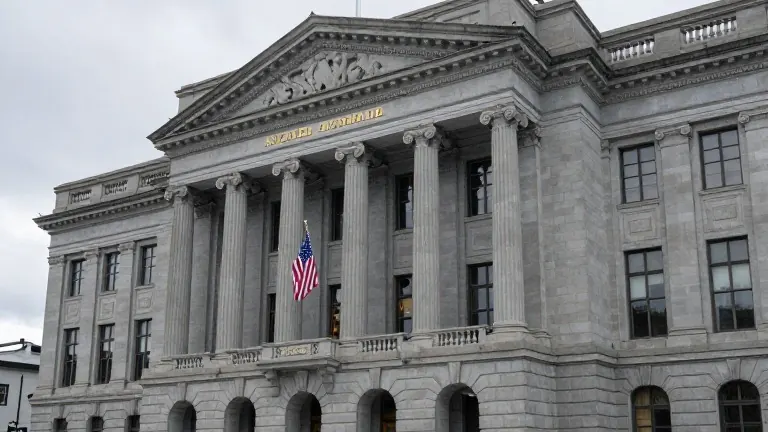
The session features St. Mary Catholic Parish v. Roy. The case examines whether excluding a Catholic preschool from Colorado’s universal preschool program constitutes religious discrimination. The court hears arguments in this case on Election Day, Tuesday, Nov. 3.
Source: KAUU · original report published
More Politics · Anchorage news · Report a business · Got a Story?