Pedro Sánchez faces rail safety crisis ahead of Spanish election
A rear-end collision in Toledo killed 68 people, marking the second fatal high-speed rail accident in Spain this year and complicating the Prime Minister's campaign strategy.
By Nina Patel ·
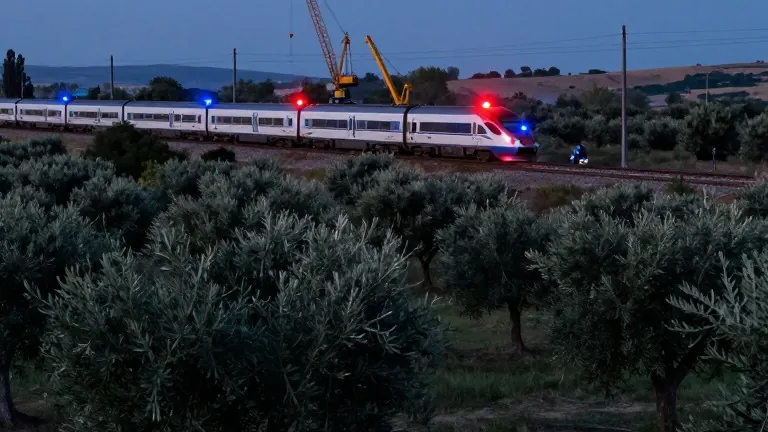
Prime Minister Pedro Sánchez now contends with the safety of Spain's high-speed rail network four weeks before voters head to the polls. The second fatal crash of the year occurred Wednesday in the central province of Toledo, where a rear-end collision killed 68 people. The accident has intensified scrutiny of a system that carried 45 million travelers last year and previously had no deadly incidents since opening more than three decades ago.
The rail network, which ranks second in the world for track mileage behind China, has been a point of national pride. That reputation is now strained by two tragedies within a single year. In January, 46 people died when a train derailed and struck another in southern Spain. Both accidents involved a train operated by the state-owned RENFE and one run by the private carrier IRYO. Spain opened its high-speed lines to private competition in 2021, and IRYO began service the following year.
Transport Minister Óscar Puente identified a central command error as the cause of Wednesday's crash. He stated that a computer malfunction disabled a security system on a 63-kilometer stretch of track at 8:30 a.m., causing trains to stop. An IRYO train halted near Urda, while a RENFE train stopped 25 kilometers behind it. Minutes later, the command center ordered the RENFE train to proceed without speed limits despite an active stop signal. The moving train struck the stationary IRYO service at 8:53 a.m. Puente said the engineers were not at fault and that the train should have been told to move at a reduced speed if it had to move at all.
Sánchez visited the crash site after regional officials confirmed the death toll exceeded 60. He pledged an investigation and improvements to rebuild public confidence. The government declared three days of mourning starting Thursday. Sánchez noted that it is not acceptable for the country to suffer two such accidents in one year. Workers used cranes late Wednesday to clear debris after hundreds of emergency personnel, firefighters, police, and soldiers worked through the day to rescue survivors and recover bodies.
The timing of the disaster creates a difficult environment for Sánchez's reelection bid. He called for early elections earlier this month, hoping to capitalize on voter dissatisfaction with housing costs and rents. Polls already indicated an uphill battle for his Socialist party in the first national election since 2023. The crash adds rail safety to a list of issues including migration policy and corruption allegations against his party and his wife, which both have denied.
Sánchez had posted on social media about an hour before the crash that there were many reasons to be optimistic. His rival, Popular Party leader Alberto Núñez Feijóo, canceled campaign events to respect the victims. He called for a full investigation and said the party would not ignore the tough questions Spaniards are asking. Feijóo emphasized the need to respect the dead while demanding answers.
Santiago Abascal, leader of the far-right Vox party, voiced less restraint. He described the event as a tragedy driven by despair and betrayal. He promised to work until the government, which he called a criminal organization, faced a courtroom to answer for its actions. Abascal is seeking to enter a coalition government with the conservatives.
Óscar Puente addressed media questions about his potential resignation following a second major wreck under his watch. He said his focus remained on handling the collision rather than his political future. The investigation will now proceed against the backdrop of an election where rail safety has become a central political issue.
Source: WBAA