Trump weighs next moves in Iran conflict after GOP midterm losses
With the U.S. war against Iran now eight months old, the president faces difficult choices as oil prices drop and regional tensions rise.
By Christian Morales ·
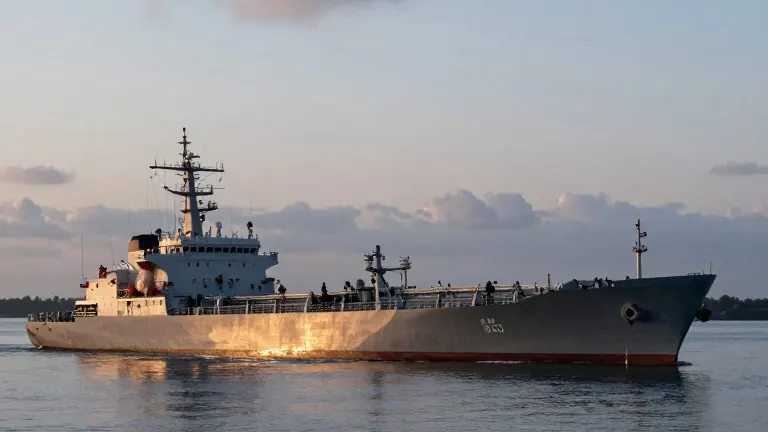
President Donald Trump faces a complex decision regarding the ongoing U.S. military campaign against Iran following a severe defeat for the Republican Party in the recent midterm elections. The war, which has lasted for eight months, appears to have influenced voter sentiment, with many Americans expressing dissatisfaction over rising costs and regional instability. Trump indicated on Thursday that he remains committed to the conflict, telling reporters in the Oval Office, “If we have to do the rest of the Iran thing, we’re very much locked in.”
The conflict began in March 2026 and has since expanded beyond the initial strikes. While oil flow from the Strait of Hormuz has resumed with U.S. Navy escorts, fighting has spread to the Red Sea, where Iran-backed Houthi rebels are clashing with a Saudi-led coalition. These attacks have targeted Yemeni civilians and Saudi infrastructure, worsening a humanitarian crisis in the region. A senior Yemeni government official noted that the threat from Iran and its proxies did not change with the U.S. elections, urging Washington to avoid hasty decisions.
Analysts suggest the president has several options for his next move. Brian Haggerty, a former senior CIA analyst, noted that Trump might feel less restrained now that the political damage from the midterm loss is done. However, he argued that the strategic logic of escalating strikes remains unchanged. David Schenker, who served as assistant secretary of state for Near Eastern affairs, outlined three potential paths. The first is maintaining the current posture of defensive strikes and a naval blockade on Iranian oil. The second involves striking Pickaxe Mountain, a deep underground nuclear facility in central Iran, and then negotiating a limited agreement to restore shipping freedom and offer some sanctions relief. The third option is launching massive attacks on Iranian infrastructure, a threat Trump made earlier in the war.
Markets have reacted to the election results by pricing in a lower likelihood of immediate escalation. The price of Brent crude oil fell below $95 per barrel on Wednesday, its lowest level in two months. This drop signals that investors do not expect major new strikes in the near term. However, regional officials remain on high alert. Three Middle Eastern government officials said the Trump administration privately signaled that Iran’s leverage would diminish after the elections, suggesting the president might be willing to restart strikes with less political risk.
Vice President JD Vance has publicly blamed the war for the Republican defeat. In a social media post, Vance stated, “The reason we lost, is the war.” Vance, a potential 2028 presidential contender, had been skeptical of the war’s wisdom inside the White House before supporting the decision. Several Democratic candidates who won upset victories cited voter discontent with the conflict in their speeches. Senator-elect Josh Turek of Iowa said voters told him they were struggling with food, housing, and utility bills, with the war adding pressure to their gas costs.
A poll of more than 100,000 U.S. voters found that about 6 in 10 said the U.S. made the wrong decision in taking military action against Iran. While the war was not the top issue for most voters, it played a role in shaping the election. Only about one-third of voters said the war was crucial to their decision, a lower percentage than those who cited the cost of living or government corruption. Nearly all voters who supported Democratic candidates said the war was the wrong decision, while roughly 8 in 10 Republican supporters said it was the right decision.
About 6 in 10 voters nationally reported being very concerned about the cost of gasoline and diesel. Two-thirds of this group voted for the Democratic candidate in their local House race. Despite these signals, Trump maintains that he would make the same choices in hindsight. “I can tell you that as far as that war is concerned I would have done nothing different,” the president said. The next few days will determine whether the administration seeks a negotiated exit or continues its military campaign.
More World · Anchorage news · Report a business · Got a Story?