56-seat lead: Eisenkot bloc trails Netanyahu in final poll
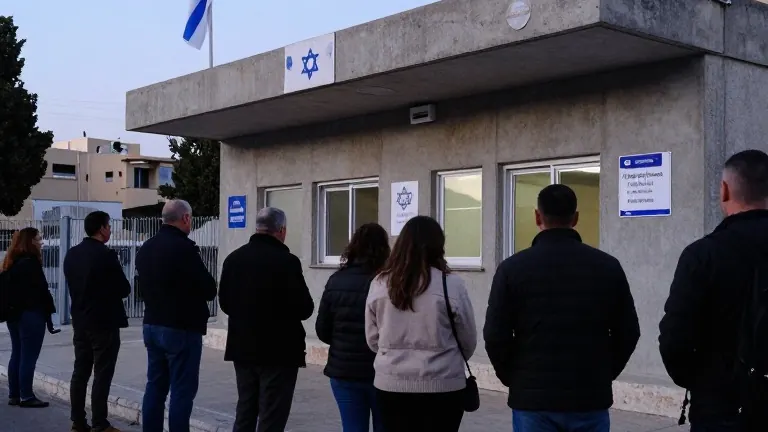
Voters in Israel cast ballots on Tuesday in the first Knesset election since the October 7, 2023, attack, with no bloc projected to hold a majority without Arab party support.
By Katherine Brooks ·
Gadi Eisenkot’s Yashar party is projected to win 22 seats in Tuesday’s Knesset election, leading Prime Minister Benjamin Netanyahu’s Likud party, which is projected to win 19 seats, according to the final Channel 12 poll released on Friday.
The opposition bloc is projected to secure 56 seats, while Netanyahu’s coalition is projected to win 50 seats. Neither bloc is expected to reach the 61 seats required to form a government without the support of the Arab parties, which are projected to win a combined 16 seats.
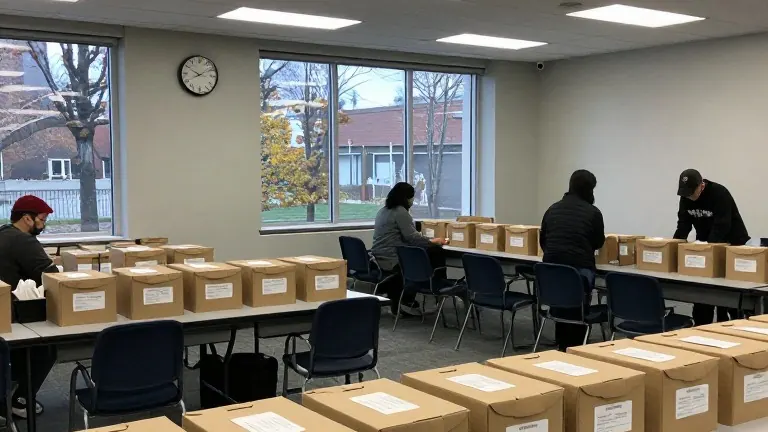
Polls opened at 7:00 a.m. on Tuesday across Israel. Exit polls are scheduled for release at 10:00 p.m., providing preliminary projections. Official results will be finalized in the coming days after the vote count is completed.
This is the first national election held since the Hamas attack on October 7, 2023. The political environment has shifted since the previous vote in 2022, with voter attention focused on the Israel Defense Forces’ manpower crisis, legislation regarding ultra-Orthodox conscription, and calls for a state commission of inquiry into the government’s performance before the attack.
Issues such as the establishment of a Palestinian state have receded, as most parties now agree against statehood. The election also centers on Netanyahu’s future, as he has led the country for 19 non-consecutive years. The opposition has argued that he should be held accountable for the events of October 7 and no longer serve as prime minister.
Voting at Israeli diplomatic missions abroad ended on October 16. Voting at some military bases began the previous week. The 2022 election saw a voter turnout of approximately 70%. According to calculations by Prof. Alex Weinreb of the Taub Center, a party needs 165,635 votes to cross the 3.25% electoral threshold at that turnout rate. The required number of votes increases if turnout rises.
Several smaller parties are competing for Knesset seats, including Ofer Winter’s People of Israel party and Yoaz Hendel’s the Reservists-Economics party. Whether these parties clear the threshold will affect the ability of the major blocs to form coalitions. A slight shift in voter support could determine if these parties enter the Knesset or if their supporters remain without representation.
Police have prepared for public order disruptions, particularly after the release of exit polls. The police announced on Monday that approximately 20,000 police officers, Border Police officers, and volunteers would be deployed nationwide on Election Day.
Forces will be stationed at thousands of polling stations and in surrounding areas. The police stated that these measures aim to safeguard the integrity of the elections and ensure the democratic process is conducted in accordance with the law.
Naftali Bennett’s B’Yachad party is projected to win 14 seats. The final Channel 12 poll indicated that Likud would lose seats compared to the outgoing Knesset, where it held 32 seats.