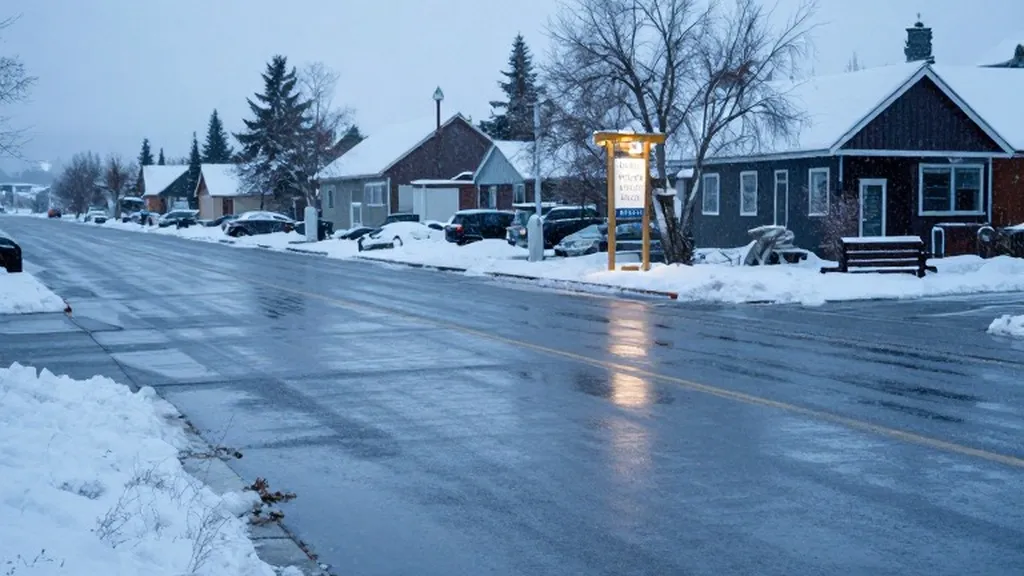
Anchorage voters face record spending and tight Senate race
As polls open at 7 a.m., the most expensive election in history unfolds with a distinct gap in committee funding and candidate spending.
By Christian Morales ·
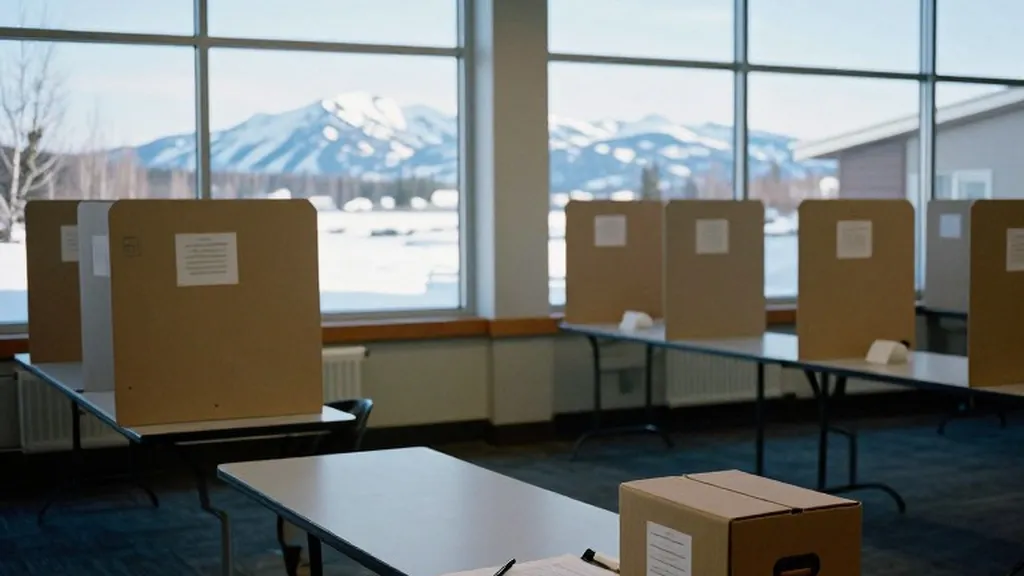
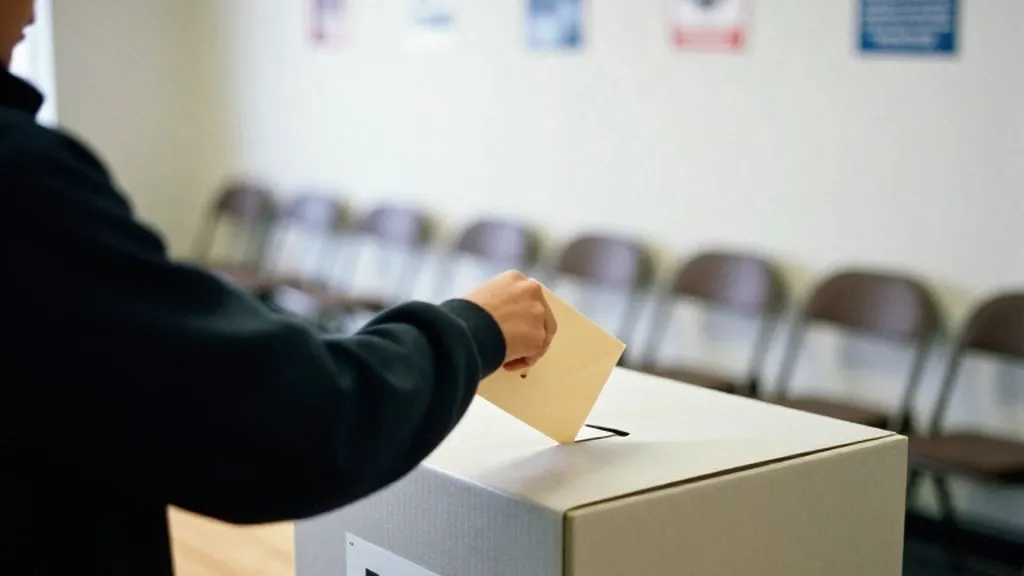
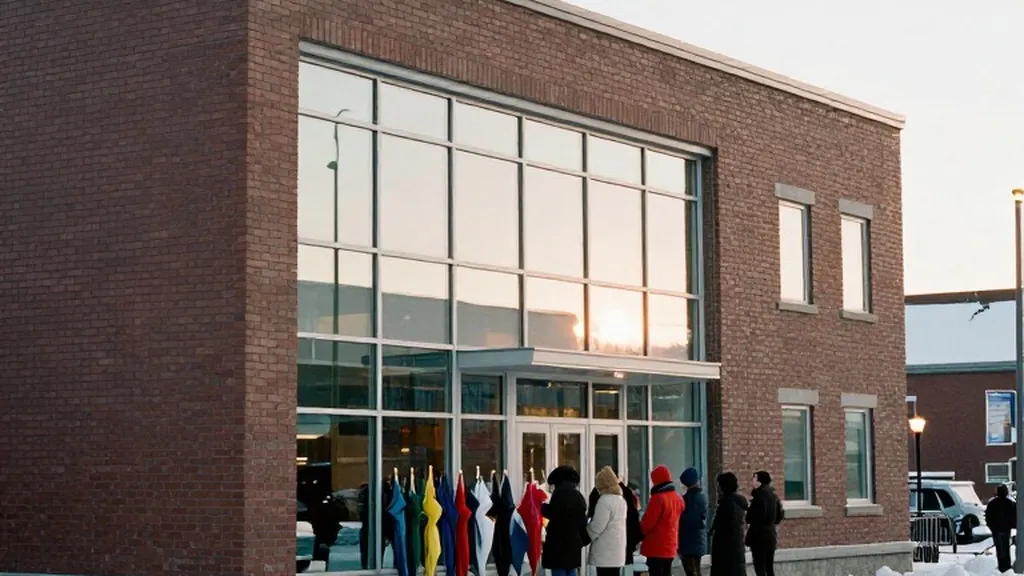
In Anchorage, polling places opened at 7 a.m. local time for the midterm elections, which will remain open until 8 p.m. Alaskans are casting ballots in a pivotal U.S. Senate race where incumbent Dan Sullivan faces a competitive challenge. The state also holds an open governor's race with no incumbent on the ballot. Voters in the city are deciding these local contests while contributing to a national contest that has drawn significant financial attention from both political parties.
The 2026 election is shaping up to be the most expensive in history, according to the Associated Press. This record-breaking expenditure reflects the intense stakes involved in determining who controls Congress for the final two years of President Donald Trump's second term. With all 435 House seats and 35 Senate seats up for grabs, campaigns have poured unprecedented sums of money into advertising and outreach efforts to sway undecided voters in key districts and states.
Financial data reveals a complex landscape of campaign fundraising and spending. At the committee level, Republican groups have outraised and outspent their Democratic counterparts, aided by contributions from Trump-affiliated organizations and billionaire Elon Musk. This advantage has allowed Republican committees to dominate the airwaves in many regions. However, at the candidate level, Democrats have managed to outraise their opponents, creating a bifurcated funding structure that complicates the financial narrative of the race.
An analysis by the Associated Press of AdImpact data highlights where this money is going. A staggering 88.1 percent of Republican general election television ad spending has been directed toward states and districts that Donald Trump won in the 2024 presidential election. In areas where Trump received more than 10 points more support than his opponent, Republicans have spent more than $850 million on television advertisements. This strategy suggests a focus on consolidating support in Republican-leaning areas rather than solely targeting battleground districts.
Despite the national financial trends, local voters in Anchorage are weighing these figures against their daily economic realities. The Associated Press describes the election as a referendum on the president's performance, with many voters citing high prices and an unpopular war with Iran as primary concerns. Polling shows that 35 percent of U.S. adults approve of Trump's job performance, while only 25 percent approve of his handling of the economy. These numbers underscore the disconnect between the massive spending on Republican-held districts and the sentiment among voters who feel the economic strain.
In the Senate race, Alaska is rated as a toss-up to lean Democratic contest, adding pressure to the local campaign. The Trump administration has filed a lawsuit related to the certification of the Senate result in the state, adding a layer of legal uncertainty to the political battle. Meanwhile, in the governor's race, the open seat has attracted candidates from the Democratic, Republican, and Nonpartisan parties, all vying for the leadership of the state in a year where Democrats hope to gain a majority of governorships nationwide for the first time in two decades.
Voters across the country, including those in Anchorage, have already participated in the early voting process, with more than 57 million people having cast their ballots by Monday. This early surge has surpassed the turnout from four years ago in many closely watched states. In Alaska, where the election is largely decided by a smaller electorate, every vote counts in determining the outcome of the Senate seat and the governor's office. The high volume of early votes indicates a strong level of engagement among citizens who feel the need to make their voices heard on national and local issues.
Republican officials are bracing for the possibility of losing the House while fighting to maintain their majority in the Senate. The Associated Press notes that one or two seats could tip the balance in either chamber, making the margin of victory extremely narrow. Democrats, meanwhile, are described as cautiously optimistic, pointing to the candidate-level fundraising edge and the growing frustration with the cost of living. If Democrats win control of either chamber, investigations and potential impeachment proceedings become more likely, according to party leaders.
The financial disparity between the two parties is further illustrated by the allocation of resources in safe districts. The $850 million spent in areas where Trump won by double digits highlights a strategy of defending the base rather than expanding it. This approach contrasts with the Democratic focus on competitive districts, where they have been able to raise more money per candidate. The result is a campaign environment where both parties are investing heavily, but in different ways, to secure their respective goals in the upcoming Congress.
As polls close at 8 p.m. in Anchorage, voters will have had the chance to weigh the massive spending and national rhetoric against their local needs. The election will determine the composition of the U.S. House and Senate, as well as the leadership of the state. With the money spent reaching historic levels, the outcome of this election will be closely watched by political analysts and citizens alike, as it sets the stage for the final two years of the current administration and the beginning of the next legislative session.
The Associated Press reports that Republican National Committee Chairman Joe Gruters emphasized the importance of turnout, stating that everything depends on getting voters to the polls. In contrast, Democratic Congressional Campaign Committee Chair Suzan DelBene highlighted the anger of the American people who are seeking change. These statements reflect the differing strategies of the two parties as they compete for control of the government in a high-cost, high-stakes election that is being decided by voters in cities like Anchorage and across the nation.