Alaska voters decide Senate, governor in high-stakes midterms
With polls open until 8 p.m. local time, Alaskans weigh economic strain and national control of Congress in a decisive election.
By Nina Patel ·

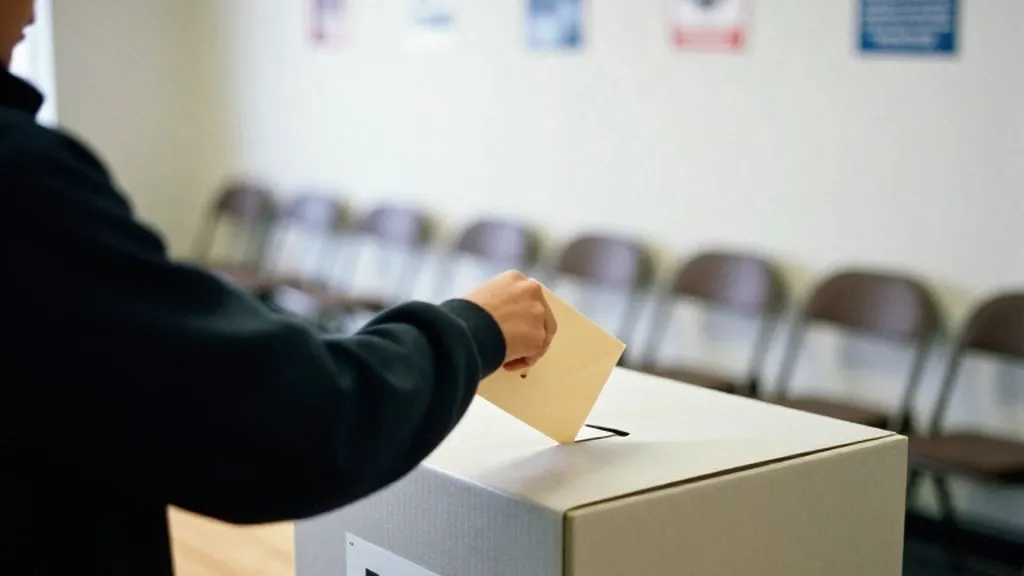
Voters in Anchorage and across Alaska are casting ballots on Tuesday, November 3, 2026, in the midterm election that will determine the balance of power in Washington for the final two years of President Donald Trump's term. Polls are open from 7 a.m. to 8 p.m. local time, with the state divided between the Alaska and Hawaii-Aleutian time zones. Residents can verify their specific polling locations through the federal website vote.gov. The day marks a critical juncture for the state, as Alaskans choose a new governor and decide whether to keep incumbent Senator Dan Sullivan in his seat.
The state’s ballot includes an open gubernatorial race with no incumbent on the ticket. Candidates from the Democratic, Republican, and Nonpartisan parties are competing for the office. In the U.S. Senate race, Republican Senator Dan Sullivan is running for re-election against challengers from the Democratic, Libertarian, and No Party Affiliation parties. These state-level decisions occur simultaneously with the national contest for control of the U.S. House and Senate, creating a complex landscape for voters who are weighing local priorities against national trends.
According to the Associated Press, the election is being viewed as a referendum on the president's second term. Polling from AP-NORC indicates that 35 percent of U.S. adults approve of Trump's job performance, while only 25 percent approve of his handling of the economy. Approximately seven in ten adults say the country is heading in the wrong direction, with high prices cited as a primary concern. In Anchorage, these national economic sentiments mirror local conversations about the cost of living, a theme that has dominated political discourse throughout the campaign.
The national stakes are high for both parties. Democrats need a net gain of three seats in the U.S. House to secure a majority, while Republicans can afford to lose no more than two. In the Senate, Democrats need a net gain of four seats to take control, a significant hurdle given the current 53 to 45 Republican majority. Ballotpedia identifies 46 battleground districts in the House and 13 competitive Senate races. The outcome of these races will determine whether investigations and oversight efforts can proceed with full legislative support or face a gridlocked Congress.
Alaska is considered a key battleground in the Senate contest. The Associated Press notes that the race is rated as a toss-up to lean Democratic, a shift driven by economic strain and the impact of tariffs. The state’s 2024 presidential margin was 13.1 points for Trump, but recent polling suggests the race is closer than expected. The Trump administration has also filed a lawsuit related to the certification of the Senate result in Alaska, adding a layer of legal complexity to the election. This legal action is part of a broader effort by the administration to address voting procedures, which has drawn attention from election officials nationwide.
The governor’s race in Alaska is also open to the public, with candidates from three parties on the ballot. The Associated Press lists Alaska as one of several battleground states for the governorship. Voters in the state are deciding on a new leader at a time when national parties are fighting to maintain or gain control of the executive branch. The outcome of this race will influence state policy on energy, infrastructure, and economic development, issues that are particularly salient in Alaska’s unique geographic and economic context.
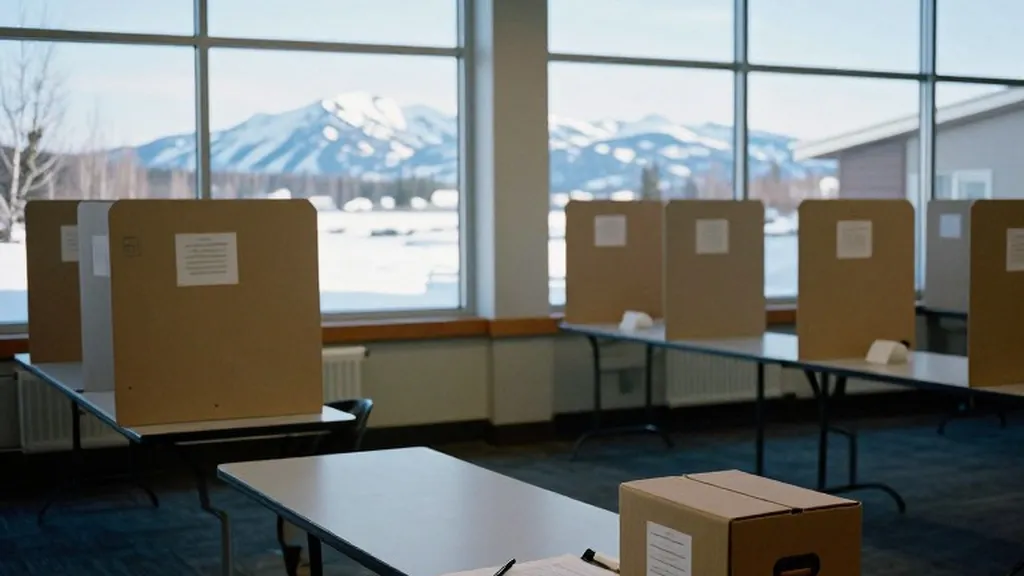
Across the country, more than 57 million people had already voted as of Monday, surpassing early vote totals from four years ago in many closely watched states. The U.S. Postal Service added extra hours and staff to ensure mail ballots are counted on time. In Anchorage, election officials are prepared for a high turnout, with lines expected at polling places. Anyone in line when polls close at 8 p.m. is entitled to vote. The state’s election administration is being watched closely due to recent federal legal actions, including a court order that temporarily barred the administration from implementing a plan to prevent noncitizen voting.
The economic implications of the election extend beyond Washington. Reuters reports that Wall Street is watching the results for clues about future debt ceiling negotiations and concerns over artificial intelligence spending. A change in congressional control could lead to new oversight of federal spending and potential impeachment proceedings if Democrats win one chamber. House Democratic Leader Hakeem Jeffries has outlined a 100-day agenda focused on the cost of living and oversight, signaling a shift in legislative priorities if his party gains power. For Alaskans, these federal decisions will affect funding for state programs and infrastructure projects.
The campaign has been marked by intense competition and significant spending. The 2026 elections are likely to be the most expensive in history, with Republican committees outspending their Democratic counterparts. However, Democrats have outraised their opponents at the candidate level. In Alaska, the race for the Senate seat has been particularly competitive, with both parties focusing on economic issues and the direction of the state. The presence of the Libertarian and No Party Affiliation parties on the ballot offers voters additional options, reflecting the state’s diverse political landscape.
As polls close in Anchorage, voters are finalizing their choices in a race that will shape the state’s future and its role in the national government. The results will determine who controls Congress and, by extension, the ability to check or support the executive branch. For the next two years, the balance of power in Washington will influence policies on taxes, healthcare, and foreign affairs. Alaskans are participating in this national decision by casting ballots for their state’s representatives, ensuring their voices are heard in the federal government.