Anchorage voters decide open Alaska governor race amid Senate uncertainty
Polls close at 8 p.m. local time as residents choose a new governor and weigh the fate of the state's Senate seat in a competitive midterm election.
By Christian Morales ·

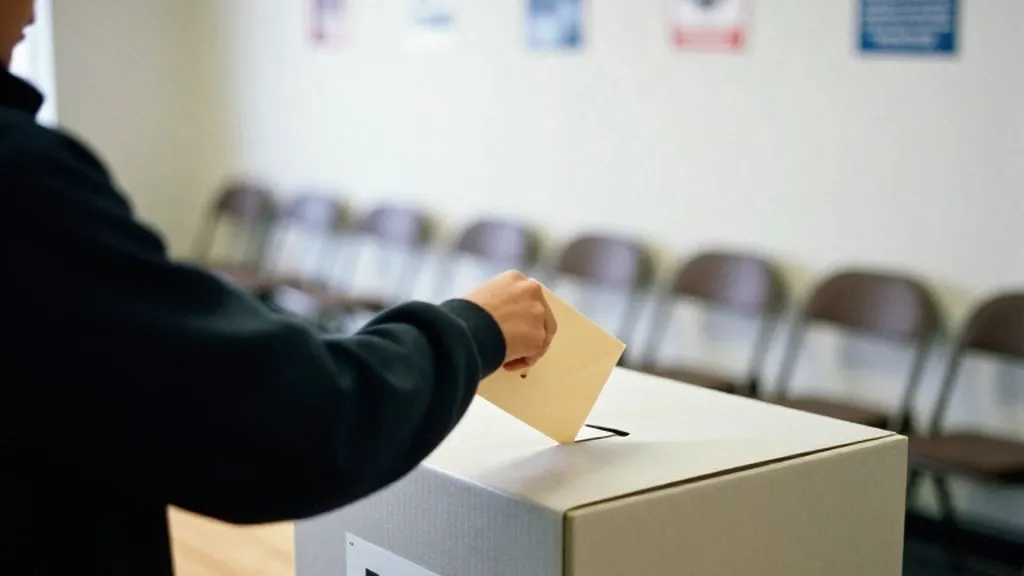
Residents of Anchorage and communities across Alaska are heading to the polls on Tuesday, November 3, 2026, to cast votes in a pivotal midterm election. Polls in the state are open from 7 a.m. to 8 p.m. local time, with voters able to confirm their specific polling locations at vote.gov. This election determines control of the U.S. Congress for the final two years of President Donald Trump's second term, while also deciding who will lead the state government.
The race for governor is an open seat with no incumbent on the ballot, making it a primary focus for local voters. According to Ballotpedia, the governorship is one of 36 up for election nationwide, and Alaska is listed as a battleground state for this office. The ballot features candidates from the Democratic, Nonpartisan, and Republican parties. Voters in Anchorage are deciding who will succeed the current administration, a role that carries significant weight in state policy and local governance.
Alongside the gubernatorial contest, Alaskans are voting for the state's U.S. Senate seat. Incumbent Dan S. Sullivan, a Republican, is running for reelection. The Associated Press notes that the Senate race in Alaska is rated as a toss-up to lean Democratic, a designation that reflects the tight competition in a state that Donald Trump won by 13.1 points in the 2024 presidential election. The outcome of this race will influence the balance of power in the upper chamber of Congress.
The U.S. House of Representatives is also fully up for grabs, with all 435 seats contested. In Alaska, every House seat is on the ballot, alongside various state and local offices and measures that vary by county. Ballotpedia identifies 46 battleground districts nationally, and the results will determine whether Democrats can gain the three net seats required for a majority or if Republicans can hold their ground. This national context adds urgency to the local vote, as Alaskans contribute to the broader tally for congressional control.
Voters are navigating a political landscape marked by economic concerns and dissatisfaction with the current administration. The Associated Press describes the election as a referendum on Trump's second term, with many adults citing high prices and an unpopular war with Iran as key drivers. Recent polling from AP-NORC indicates that 35 percent of U.S. adults approve of Trump's job performance, while about seven in ten believe the country is heading in the wrong direction. These sentiments are likely influencing choices in Anchorage, where cost of living remains a prominent issue.
The election process has been complicated by legal challenges and administrative changes. A federal judge temporarily barred the Trump administration from implementing a plan to prevent noncitizen voting, a move that critics argue risks disenfranchising eligible voters. The administration has also filed a lawsuit in Alaska related to the certification of the Senate result. Despite these hurdles, the U.S. Postal Service has added staff and special lines to ensure mail-in ballots are counted on time, supporting the high volume of early voting that already surpassed previous midterms.
Financial dynamics are playing a significant role in the campaign. The 2026 elections are expected to be the most expensive in history, with Republican committees outraising and outspending Democratic committees at the national level. However, at the candidate level, Democrats have outraised their opponents. In Alaska, the competition for attention and funding is intense, with both parties investing heavily in outreach to voters in Anchorage and other key areas. The high cost of advertising reflects the stakes of the election, particularly in swing states and districts.
Local officials are encouraging residents to check ID requirements before voting, as rules vary by state. Anyone in line when polls close at 8 p.m. is entitled to cast a ballot. The Associated Press notes that more than 57 million people had already voted as of Monday, surpassing early vote totals from four years ago in many states. This high level of participation suggests a deeply engaged electorate, with voters in Anchorage contributing to a national trend of increased turnout and civic involvement in this critical cycle.
The mood among political leaders reflects the uncertainty of the outcome. Republicans are bracing for potential losses in the House while fighting to hold the Senate, with the Associated Press noting that one or two seats could tip the balance in either chamber. Democrats are described as cautiously optimistic, citing anger over economic conditions as a potential advantage. In Anchorage, candidates from both parties have emphasized the importance of turnout, echoing statements from national leaders who say the election's result hinges on voter participation.
As polls begin to close, the focus shifts to the counting of votes and the potential for legal challenges. The Associated Press reports that the administration's lawsuits in Alaska and California have raised fears of interference among some Democrats. Meanwhile, Wall Street is watching the results closely, with Reuters noting that the outcome could impact investor concerns regarding debt ceiling negotiations and AI spending. The local vote in Anchorage is thus part of a larger national and global economic and political calculation.
Voters in Anchorage are making their choices in a state that has become a focal point for the midterm election. The combination of an open governor's race, a competitive Senate seat, and a fully contested House district creates a complex ballot for residents. The Associated Press highlights that the Trump administration's activities, including rallies and legal actions, have kept the election in the spotlight. As the day ends, Alaskans will have decided the direction of their state government and contributed to the national narrative of this pivotal election.