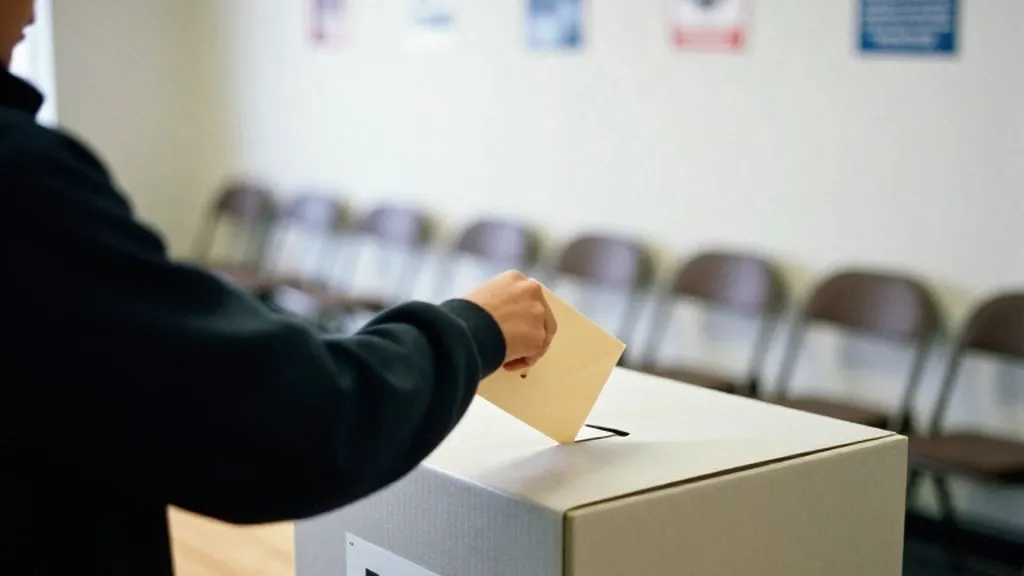
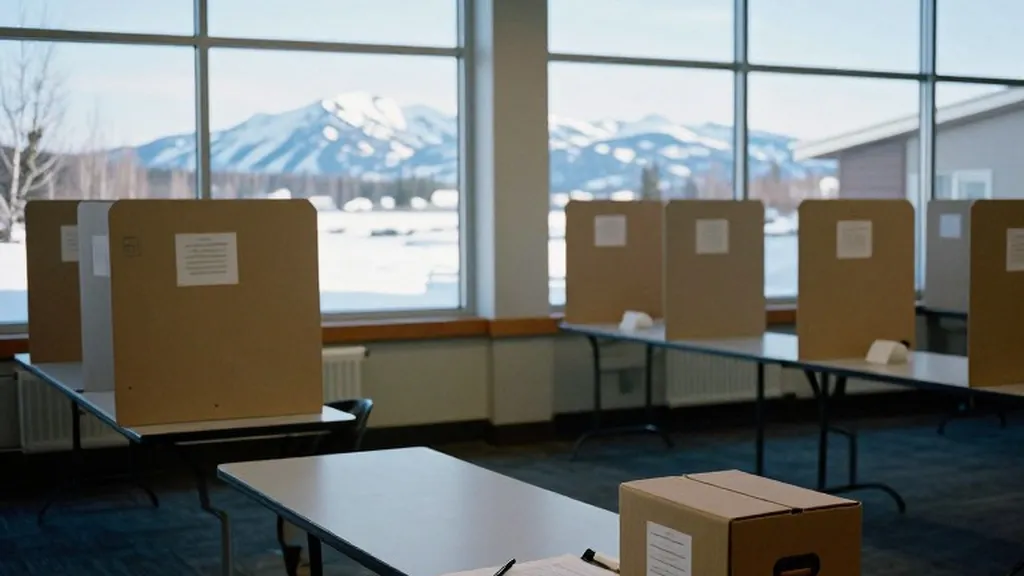
Alaska voters decide Senate and governor races at 8 p.m. close
As polls open at 7 a.m., Anchorage residents face a choice between Dan Sullivan and challengers for the U.S. Senate, while deciding an open gubernatorial race amid national midterm tensions.
By Nina Patel ·
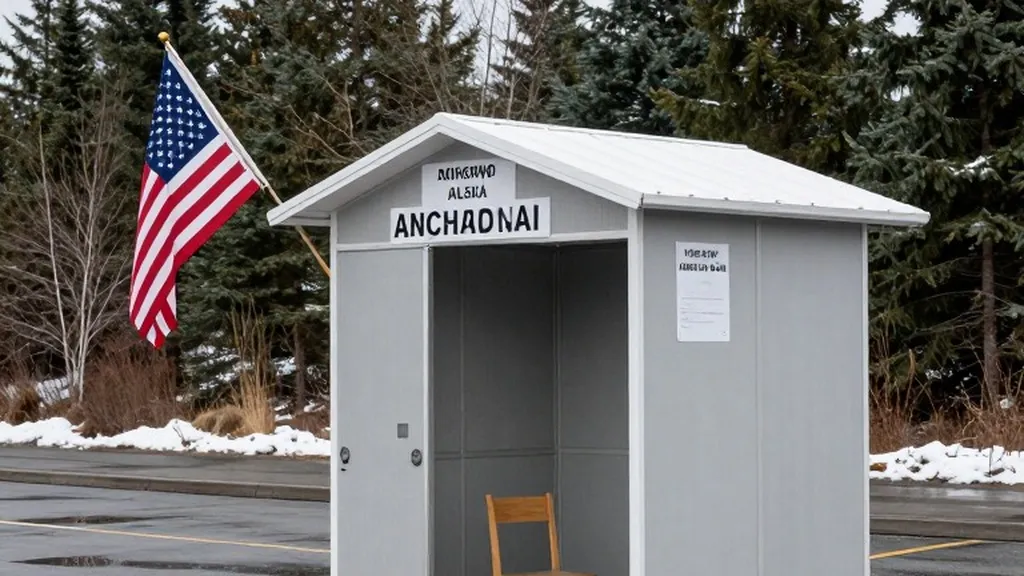
Polls across Alaska opened at 7 a.m. Tuesday, with voters in Anchorage and other communities heading to the polls to cast ballots that will determine the state's next governor and decide the fate of the incumbent U.S. Senate seat. The state is divided between the Alaska and Hawaii-Aleutian time zones, and all polling places are scheduled to close at 8 p.m. local time. Voters can confirm their specific polling locations through the federal website vote.gov, which directs residents to the appropriate state election office resources.
The ballot features a contested U.S. Senate race where incumbent Republican Dan Sullivan is seeking re-election. Sullivan faces challengers in a race that Ballotpedia rates as a toss-up to lean Democratic, reflecting the competitive nature of the state's presidential margin in 2024, where Donald Trump won by 13.1 points. The Associated Press notes that the Trump administration has filed a lawsuit related to the certification of the Senate result, adding a layer of legal scrutiny to the election process in the state.
Alaskans are also selecting a new governor in an open seat with no incumbent running for the position. The race includes candidates from the Democratic, Republican, and Nonpartisan parties, as well as those listed under the No Party Affiliation category. This contest is part of a broader national trend where 36 governorships are up for grabs, and Democrats are aiming to achieve a nationwide majority of governorships for the first time since 2010, a milestone that has eluded them in recent decades.
Every U.S. House seat in Alaska is on the ballot, with voters deciding which candidate will represent the state in the lower chamber of Congress. All 435 House seats are up for election in this midterm cycle, which occurs halfway through President Donald Trump's second term. The Associated Press describes the election as a referendum on the president's second term, with many voters expressing frustration over high prices and an unpopular war with Iran. The outcome of these races will determine which party controls Congress for the final two years of the current presidential term.
Voters in Anchorage and across the state are weighing local and state offices and measures that vary by county alongside the federal contests. The ballot includes options for the Democratic, Libertarian, No Party Affiliation, Republican, and Undeclared parties for the Senate race, while the gubernatorial race features the Democratic, Nonpartisan, and Republican parties. This variety of choices reflects the state's unique political landscape and the diverse preferences of its electorate on Election Day.
Nationally, more than 57 million people had already voted as of Monday, surpassing the early vote totals from four years ago in many closely watched states. The Associated Press reports that Republicans are bracing to lose the House while fighting to hold the Senate, with one or two seats potentially tipping the balance of power in either chamber. Democrats, described as cautiously optimistic, are looking to capitalize on voter dissatisfaction with the current economic climate and the president's handling of domestic and foreign policy issues.
President Donald Trump held dozens of rallies in the days leading up to the election, ending his schedule in Salina, Kansas, where he urged supporters to pretend he was on the ballot. His administration has continued to make claims about voting fraud, including allegations that noncitizens vote in large numbers, and has sued in Alaska and California to enforce its plans. These legal challenges have raised concerns among election officials and voters about the potential for interference and the protection of eligible voters' rights on Election Day.
A federal judge temporarily barred the Trump administration from carrying out a plan to prevent noncitizen voting, a move that critics say risks disenfranchising eligible voters and infringes on state authority over elections. The U.S. Postal Service has added hours, staff, and special lines to ensure that mail ballots are counted on time, addressing logistical concerns as election officials work to process the high volume of votes. These administrative steps are critical to ensuring that the results of the election are accurate and timely for voters across the country.
The 2026 elections are likely to be the most expensive in history, with Republican committees outraising and outspending Democratic committees at the national level, helped by Trump-affiliated groups and billionaire Elon Musk. However, at the candidate level, Democrats have outraised their opponents, indicating a fierce competition for resources and media attention. The Associated Press analysis of advertising data shows that a significant portion of Republican spending is concentrated in states and districts that Trump won in 2024, reflecting a strategy to consolidate support in areas where the president has a strong base.