One journalist killed, two wounded in Lebanon strike
Israeli forces targeted a vehicle in southern Lebanon on April 22, killing a reporter and injuring a photojournalist during a ceasefire.
By Katherine Brooks ·
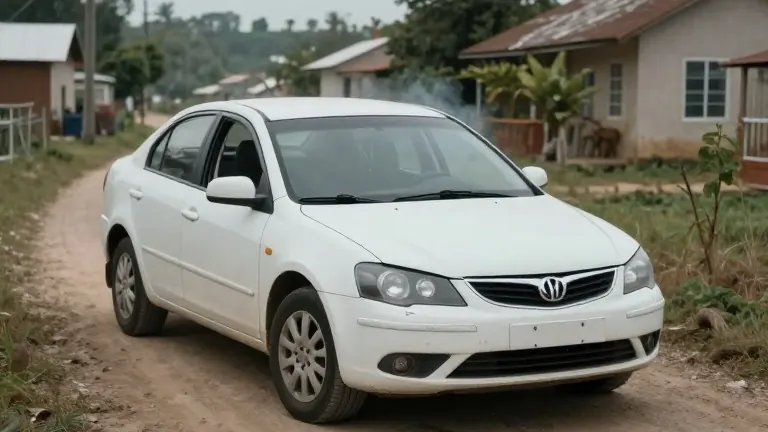
Israeli military forces struck a vehicle in the village of al-Tiri in southern Lebanon on April 22, killing newspaper reporter Amal Khalil and injuring photojournalist Zeinab Faraj. The attack occurred during a ceasefire that had recently paused a month of deadly airstrikes in the region. The strike also killed Ali Nabil Bazzi, a municipal official, and Mohammed Hourani, a friend of the mayor, who were traveling in a separate car just ahead of the journalists.
Khalil, 42, and Faraj, 21, were documenting the war's aftermath when they encountered the other vehicle at a hospital in Tebnine. Faraj, who was born in the nearby city of Bint Jbeil, joined the trip to capture footage of the area. The two women had previously collaborated after Khalil saw Faraj's work on social media. At the time of the strike, Faraj described hearing gunfire and artillery, which she considered important to document.
The Israeli military stated the attack targeted saboteurs violating the ceasefire. Human rights groups later classified the incident as a war crime. According to Faraj, the first missile hit the car in front of them, leaving it on fire. The two journalists exited their vehicle to check on the occupants. Drones then descended low overhead, prompting frantic calls to emergency services that assured help was coming.
As the women attempted to return to their car, a second missile struck the vehicle. The impact threw both women backward. They took shelter in a nearby house while drones circled above. Faraj sent a final text to her sister stating, 'There's no hope left. Forgive me.' A third missile then fell, trapping Faraj under rubble. Paramedics reached the scene, cleared the debris, and extracted Faraj just as a stun grenade was dropped by a drone.
Khalil died approximately one hour after the initial attack, according to Faraj. The Israeli military had described Khalil as part of 'terrorist media' in a video shared one week prior to the strike. Khalil had also received death threats from Israeli phone numbers. The military received repeated messages urging them to allow a rescue operation while the women sheltered in the building.
Faraj is now returning to university but continues to treat her injuries. She suffers from a limp and visible wounds to her hand and face. The attack has left her with persistent anxiety; she wakes screaming at night and remains on edge at the sound of aircraft. She still recalls the image of Hourani lying on the ground with his eyes open, a memory she says she will never forget.
The strike highlights the continued risk to civilians and media workers in southern Lebanon even during truces. The village of al-Tiri had been heavily targeted during the initial bombing phase, leading many residents to hope for a return to normalcy after the ceasefire was agreed.
Source: The Guardian