Thirteen Dead in Riyadh as Mecca Alliance Opens Tehran Talks
Saudi, Pakistani, and Turkish officials met with Iran on October 26 to address Houthi strikes and the closure of the Strait of Hormuz.
By Katherine Brooks ·

Representatives from the Mecca Defense Alliance arrived in Tehran on October 26 for an emergency session aimed at halting Houthi missile attacks on Saudi Arabia. The trilateral pact between Saudi Arabia, Pakistan, and Turkey convened with Iranian officials to negotiate a ceasefire amid escalating regional tensions.
The urgent meeting follows a Houthi strike on King Khalid International Airport in Riyadh earlier this month, which killed 13 people and injured more than 300. The Yemen-based rebels have intensified their targeting of Saudi airfields and oil infrastructure while warning airlines to avoid the country's airspace.
A senior security official in Islamabad stated that the alliance plans to pressure Iran to use its influence over the Houthis to stop the attacks. The official said the group is prepared to offer closer Saudi-Israeli security cooperation as an incentive. He noted that Saudi Arabia might seek support from Israel, which could lead to its accession to the Abraham Accords, a 2020 treaty that normalized relations between Israel and several Arab states.
Azaz Syed, an Islamabad-based analyst, described the gathering as a final effort to secure a negotiated settlement between the United States and Iran. He noted that Pakistan's army chief, Asim Munir, visited Tehran the previous week to deliver what was reportedly a final warning to the Iranian government regarding the ongoing conflict.
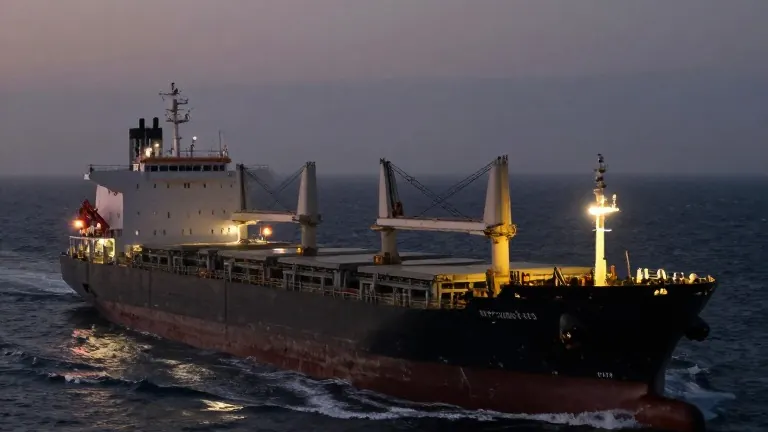
Hamidreza Azizi of the International Crisis Group said the immediate priority is preventing a renewed war between Iran and the United States. He described the Tehran talks as a continuation of existing diplomatic efforts, indicating that regional nations fear these channels are running out of time. The talks occur while the Strait of Hormuz remains closed, blocking a waterway that normally carries approximately one-fifth of global oil and gas flows.
Tensions between Iran and Pakistan have also risen recently. Islamabad closed two border crossings between Baluchistan and Iran's Sistan-Baluchistan Province and suspended operating clearance for Mahan Air, an Iranian carrier with links to the Islamic Revolutionary Guards Corps. In response, Iran halted liquefied petroleum gas exports to Pakistan, a move that caused domestic gas prices to spike. Pakistan imports roughly 7,000 metric tons of LPG daily from Iran.
Reza Amiri Moghadam, the Iranian envoy to Islamabad, said consultations are underway to resolve cross-border trade issues. He noted that several hundred trucks carrying LPG have remained at the Rimdan border for weeks without being unloaded or cleared. Saudi Deputy Minister for Public Diplomacy Rayed Krimly posted that the visit demonstrates the commitment of the pact states to regional security and stability.
Source: RFE/RL