China Opens Four-Day Meeting on Party Rules
About 300 Central Committee members are attending the gathering, which runs through Thursday.
By Katherine Brooks ·
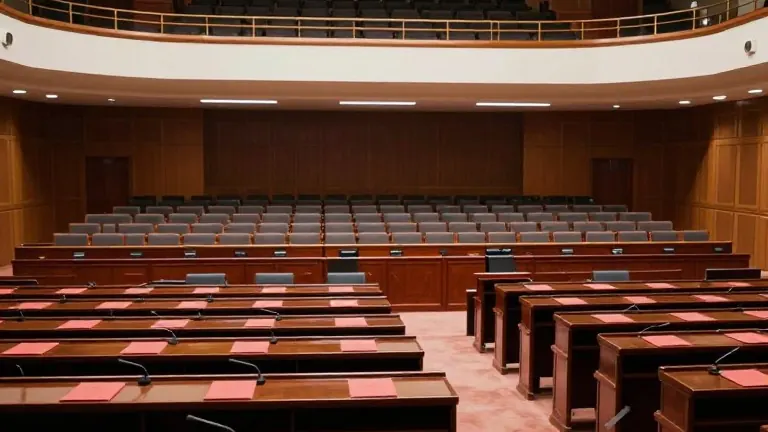
China's top political leaders began a four-day meeting in Beijing on Monday to discuss tighter rules within the Communist Party. About 300 members of the party's Central Committee are attending the closed-door session, which runs through Thursday.
The meeting comes about a year before President Xi Jinping is widely expected to seek a fourth five-year term as party leader. It also precedes expected changes to key leadership bodies. Eight seats on the Central Committee are vacant, and 15 members are under investigation and could be replaced. The attendance would be the lowest since former leader Mao Zedong died in 1976.
Xi has led an anti-corruption campaign lasting 14 years that has removed thousands of officials, including dozens of Central Committee members. In a January speech published by state media ahead of this week's meeting, Xi criticized officials he called "two-faced" for outwardly complying with directives while inwardly resisting them.
The Central Committee is reviewing a draft policy decision on strengthening party self-governance, according to Xinhua, China's official news agency. Neil Thomas, a senior fellow at the Asia Society Policy Institute, said he expects demands for closer scrutiny of public spending and major projects, wider use of technology to uncover corruption, and tougher consequences for officials who fail to deliver on Xi's priorities.
Ruby Osman, a senior policy adviser at London's Tony Blair Institute for Global Change, told the Associated Press that the meeting is a chance to ensure new generations rising through the ranks share Xi's assessment of the opportunities and risks China faces.
Xi's anti-corruption drive has also reached the military, removing five of the seven members of the Central Military Commission, the party's top armed forces body. The meeting could bring new members to that commission. China's economy is dealing with weak domestic spending and a property sector crisis, while ties with the United States remain turbulent.
Source: Al Jazeera