Anchorage readers: Holbrook couple blends Japanese and Navajo traditions in new sake
Atsuo and Heather Sakurai produce award-winning fermented rice liquor in Arizona, using local plants like Navajo tea in their recipes.
By Nina Patel ·
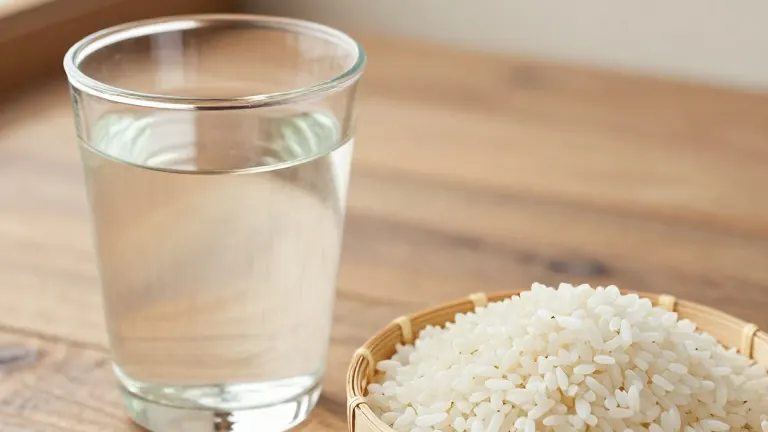
Holbrook, Arizona, sits just off Route 66 and serves as the production site for a unique alcoholic beverage that merges Japanese and Navajo heritage. Atsuo Sakurai and his wife, Heather, operate Arizona Sake from a shop in the town. They brew a traditional Japanese drink made from fermented rice in a 200-gallon vat. The process involves washing and heating rice in baskets before placing it in vats for fermentation. Once the fermentation concludes, the team presses the mixture under pressure to extract the liquid. Sakurai stated that the entire production cycle takes approximately three months from start to finish.
Sakurai, a native of Tokyo, worked in the sake industry in Japan before relocating to the United States. He described his long-term goal of establishing a sake manufacturing business in a new location. Heather Sakurai is from the Navajo Nation, and the couple integrate their cultural backgrounds into their product. Sakurai explained that one specific variety of their sake incorporates Navajo tea, a local plant. This blend reflects the couple's commitment to combining distinct cultural elements in their final product.
The beverage has received recognition in competitions held in Japan and other international venues. Sakurai produces traditional styles of sake, though some unique creations are available exclusively in Holbrook. He noted that customers often express surprise upon learning the origin of the liquor. Sakurai recalled that initial skepticism was common regarding the production location. He said, “Oh, yeah. Initially, nobody believed.” The shop offers tastings that allow visitors to experience the local variations of the drink.
Tasters have provided feedback on the distinct flavor profiles of the local varieties. One individual noted a specific taste of prickly pear in one of the sakes. She remarked, “Oh my God, I can really taste the prickly pear. This is about as Arizona as it gets.” Sakurai described the aroma of the standard offerings as pear or blueberry, based on customer descriptions. The sensory qualities of the drink are a key part of the shop’s appeal to visitors and locals alike.
The couple emphasizes the manual nature of their work in an era of rapid technological change. Sakurai expressed a desire to preserve the slow, hands-on methods of production. He stated, “That kind of business, industry, I want to save.” He drew a parallel between the impact of automation on traditional industries and the historical effect of the interstate highway system on Route 66 businesses. Despite these external pressures, Sakurai expressed confidence in the longevity of their operation.
When asked about the future of Arizona Sake, Sakurai addressed the potential for the business to continue for the next century. He responded to the question of whether the shop will remain in operation in 100 years with a single word. He said, “Hopefully.” The shop continues to produce and sell its award-winning beverages in Holbrook, maintaining the traditional brewing methods while incorporating local ingredients.
Source: KAUU · original report published
More Culture · Anchorage news · Report a business · Got a Story?